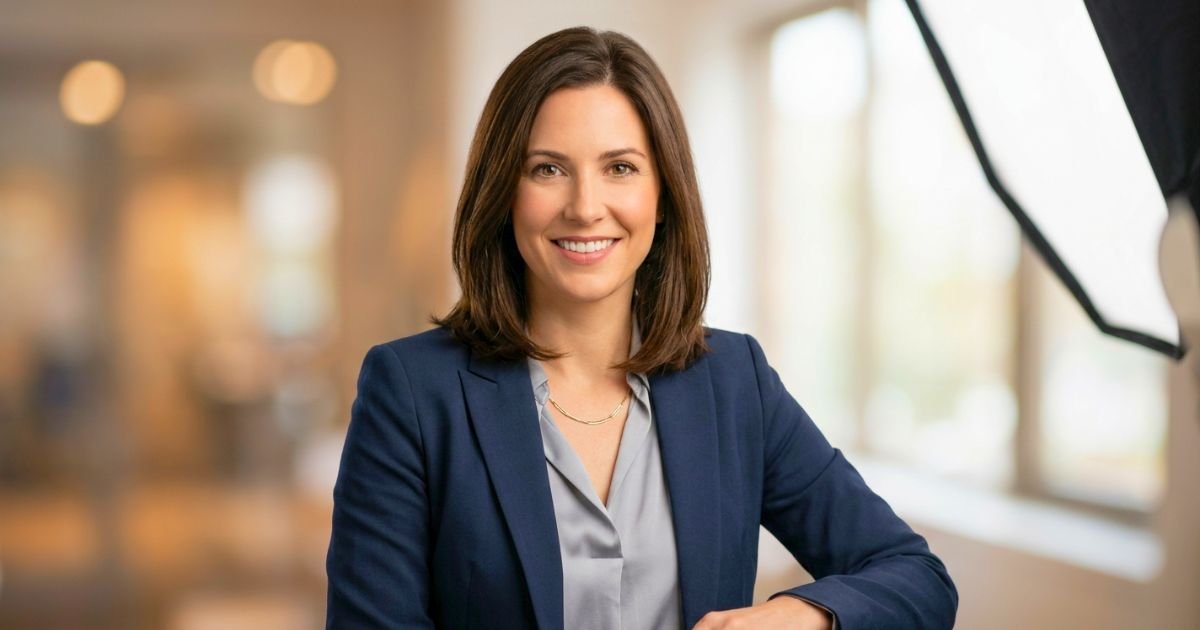
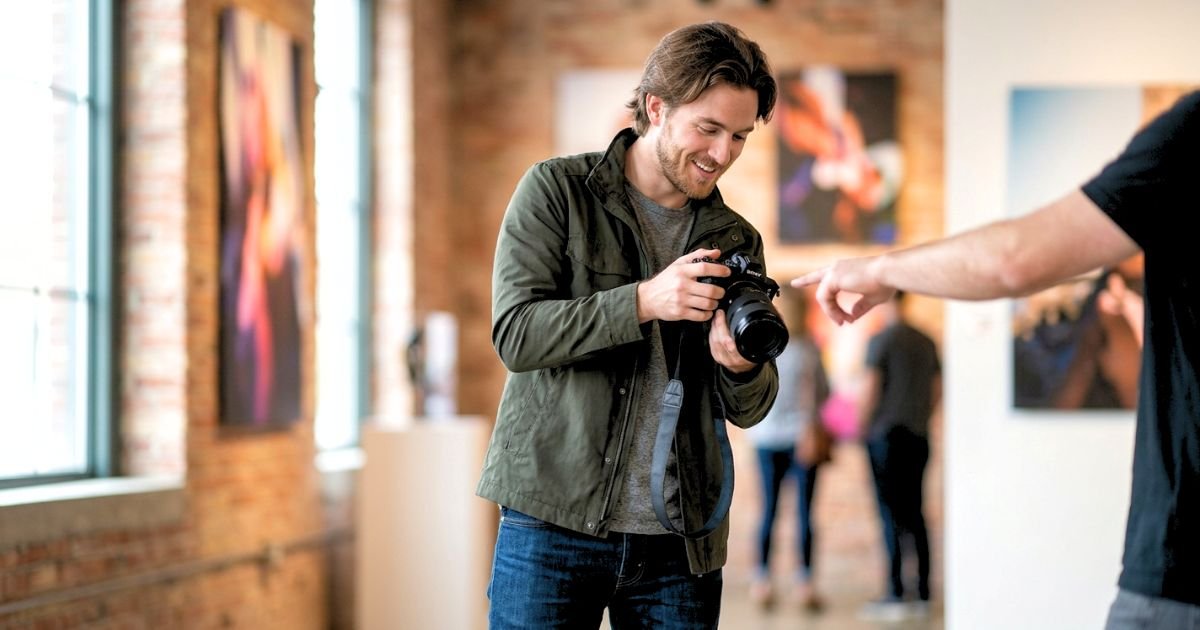
A great headshot can open doors. Whether you’re an actor seeking auditions, a business professional updating your LinkedIn profile, a real estate agent building trust with clients, or an entrepreneur strengthening your personal brand, your headshot often creates the first impression. The challenge is that posing for a headshot isn’t as simple as standing in front of a camera and smiling. Small details such as posture, facial expression, eye contact, and body positioning can dramatically affect the final image.
Many people feel uncomfortable in front of a camera, which often leads to stiff expressions and unnatural poses. The good news is that anyone can learn how to pose confidently with a little preparation and guidance.
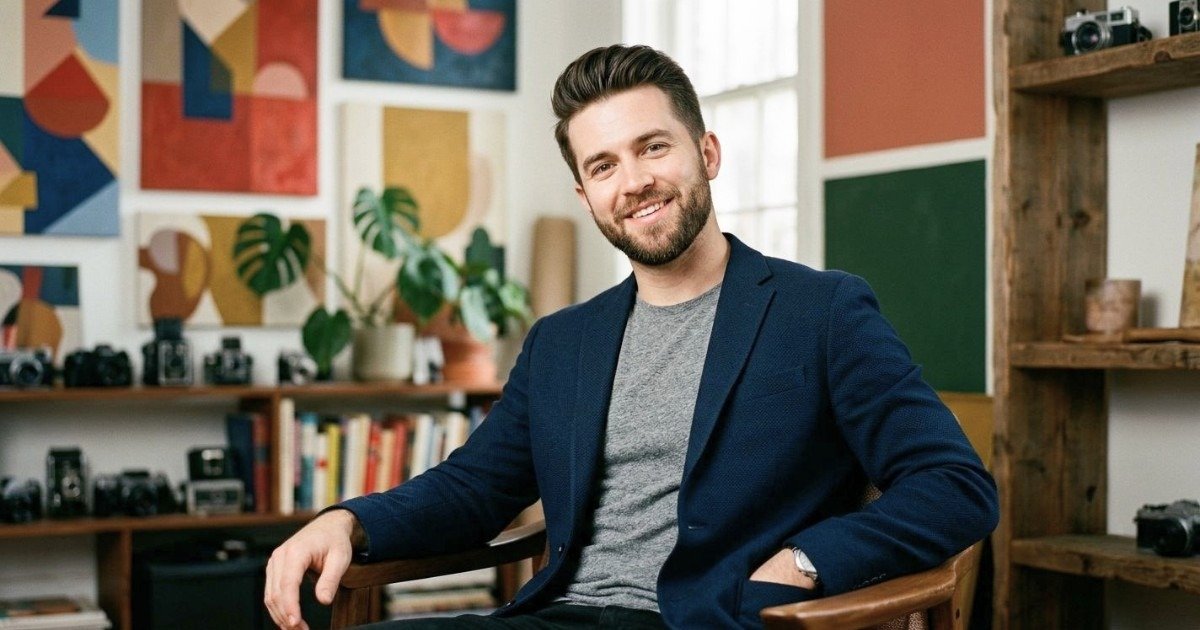
This guide covers the most effective headshot poses, common mistakes to avoid, and professional tips for both men and women so you can look natural, confident, and approachable in your next photo session.
How Should I Pose for A Headshot – Essential Tips for Headshot Poses
Whether you’re taking actor headshots, corporate portraits, or personal branding photos, the goal remains the same: create an authentic image that reflects your personality and professionalism.
Below are some of the most important techniques professional photographers use to help clients look their best.
Breathe
It sounds simple, but breathing correctly is one of the most overlooked headshot tips.
Many people unconsciously hold their breath when the camera appears. This creates tension throughout the face, shoulders, neck, and jaw.
Before each shot:
- Take a slow, deep breath.
- Relax your shoulders.
- Exhale naturally.
- Allow your facial muscles to soften.
A relaxed face always photographs better than a tense one.
Professional photographers often spend the first few minutes helping clients relax because natural expressions produce the strongest images.
Posture
Posture can instantly change the way you appear in a photograph.
Standing or sitting upright communicates:
- Confidence
- Professionalism
- Authority
- Self-assurance
Imagine an invisible string pulling the top of your head upward. This simple visualization helps lengthen your spine and improve posture naturally.
Good Posture vs Bad Posture
|
Good Posture |
Poor Posture |
|---|---|
|
Straight back |
Rounded shoulders |
|
Relaxed shoulders |
Raised shoulders |
|
Open chest |
Collapsed chest |
|
Strong jawline |
Double chin appearance |
|
Confident look |
Low-energy appearance |
Even a slight adjustment in posture can dramatically improve your headshot.

Motorboat Your Lips
This may sound unusual, but many photographers use this trick. Before taking a photo, gently blow air through your lips or lightly puff them out.
This helps:
- Release tension around the mouth
- Relax facial muscles
- Create more natural expressions
- Prevent tight or forced smiles
The mouth plays a major role in how approachable and authentic you appear in a headshot.
Play With Your Eyebrows
Your eyebrows communicate emotion more than most people realize.
Slight eyebrow movements can make you appear:
- Friendly
- Confident
- Curious
- Trustworthy
- Approachable
Before your session, practice different expressions in front of a mirror.
Avoid:
- Overly raised eyebrows
- Furrowed brows
- Excessive tension in the forehead
Natural movement creates more engaging portraits. If you wear glasses, choose lenses with anti-reflective coatings whenever possible to reduce glare during the shoot.
How Do You Smile For a Headshot?
A genuine smile can instantly make your headshot more inviting.
The key is authenticity.
Many people force a smile by focusing only on their mouth. However, genuine smiles involve both the mouth and eyes.
Professional photographers often encourage clients to think about:
- A favorite memory
- Someone they care about
- A recent accomplishment
These thoughts naturally create authentic expressions.
Smile Tips
Do:
- Let your eyes soften.
- Slightly narrow your eyes.
- Think positive thoughts.
- Practice before the shoot.
Don’t:
- Force a grin.
- Open your eyes excessively wide.
- Hold a smile too long.
A natural smile always looks more professional than a forced one.
Finding Your Best Angle
Everyone has angles that photograph better than others.
The easiest way to discover yours is to take multiple selfies or practice photos while slightly turning your face left and right.
Pay attention to:
- Jawline definition
- Eye symmetry
- Facial balance
- Neck appearance
Most people look strongest when their face is turned slightly rather than directly facing the camera. A slight angle often creates depth and dimension while maintaining eye contact.
Connect With The Photographer
One of the most important elements of a successful headshot session is trust.
A skilled photographer should help you feel comfortable and confident.
Great photographers:
- Give clear posing directions
- Encourage natural expressions
- Provide feedback
- Create a relaxed environment
The more comfortable you feel, the better your headshots will look. Communication is essential. Don’t hesitate to discuss your goals, concerns, or preferred angles before the session begins.
What Should You Wear for Headshot Poses?
Well, this is the area that can cause actors some anxiety before a shoot, and with good reason, because clothing is personal. What suits you, and what suits me, can be quite different.
For every rule, I could give you about the kind of top you should wear for a sheep. But you will find another photographer or actor who’s made a totally different garment look just as well more than that. Whatever it is, you don’t need to bring your whole wardrobe.
The Clue is In The Name
A headshot focuses primarily on your face and expression.
Your clothing should complement your appearance rather than become the center of attention.
Choose pieces that:
- Fit properly
- Match your personality
- Support your professional image
- Keep attention on your face
Simple often works best.
Mind The Crop
Headshots are tightly framed images.
Only a small portion of your clothing may actually appear in the final photograph.
Because of this:
- Necklines become important.
- Collars become more noticeable.
- Fabric texture becomes more visible.
Before your shoot, take a few test photos to see how your clothing appears within a cropped frame.
Normal Rules Apply
One common misconception is that headshots require completely different clothing from everyday life.
In reality, your best headshot usually reflects your authentic style.
Wear clothing that makes you feel:
- Comfortable outfit
- Confident
- Professional
If you feel good, you’ll photograph better.
Lights and Darks
Both light and dark clothing create different visual effects.
|
Clothing Color |
Effect |
|---|---|
|
Dark Colors |
Professional, powerful, dramatic |
|
Light Colors |
Friendly, approachable, fresh |
|
Neutral Colors |
Timeless and versatile |
|
Bold Colors |
Energetic and memorable |
Bringing several options gives your photographer more creative flexibility.
Color
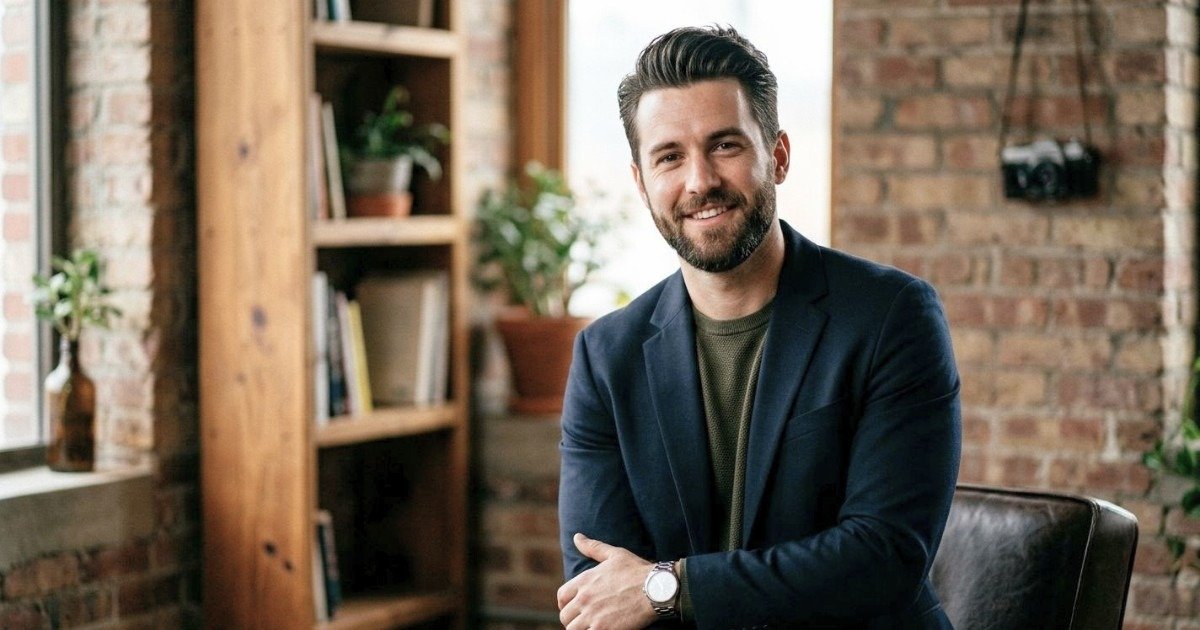
Color can dramatically influence your overall appearance.
The best colors typically complement:
- Eye color
- Skin tone
- Hair color
Popular headshot colors include:
- Navy blue
- Forest green
- Burgundy
- Charcoal gray
- Soft earth tones
Avoid extremely bright neon colors or overly busy patterns that distract from your face.
Texture and Structure
Texture adds visual interest to photographs.
Examples include:
- Knit sweaters
- Denim jackets
- Leather jackets
- Textured blazers
- Linen shirts
However, avoid overly bulky garments that may hide your neck or create unwanted volume around the face.
How Should Professionals Pose for Portraits or Headshots?
Professional headshots require a balance between confidence and approachability.
Small posing adjustments can make a huge difference.
Be Yourself
Authenticity is one of the most valuable qualities in a professional headshot.
Ask yourself:
- What qualities define me?
- How do I want others to perceive me?
- What image aligns with my profession?
Your pose should support your personal brand rather than create a completely different version of yourself.
Body Language
Body language communicates before your facial expression does.
Good body language includes:
- Relaxed shoulders
- Open chest
- Upright posture
- Controlled movement
Avoid crossing your body tightly or appearing closed off. Open body language creates a more approachable image.
Lead With Your Forehead
This is one of the most powerful headshot posing techniques.
Slightly extending your forehead toward the camera:
- Defines the jawline
- Reduces double chin appearance
- Creates a stronger facial structure
- Improves overall posture
The movement is subtle but highly effective.
Cross Arm Headshot Posses
Crossed-arm poses remain popular in business and corporate photography.
When done correctly, they project:
- Confidence
- Authority
- Leadership
For Men: Men can generally maintain a firmer arm position while still keeping their shoulders relaxed.
For Women: Women often benefit from a softer, looser arm cross that creates a welcoming and approachable appearance. The key is avoiding stiffness.
Shoulder Position
Shoulder positioning can dramatically affect a portrait. Women often benefit from slightly lowering one shoulder.
which:
- Lengthens the neck
- Creates elegant body lines
- Adds natural asymmetry
Men may prefer a more squared shoulder position to emphasize strength and confidence.
Leaning
Leaning slightly toward the camera creates engagement.
This subtle movement helps:
- Build a connection with viewers
- Create energy in the image
- Improve posture
- Add confidence
Whether standing or seated, a slight forward lean often produces stronger headshots than sitting straight back.

Frequently Asked Questions for Headshot Poses
Q. What is the best pose for a professional headshot?
- The best headshot pose is one that looks natural, confident, and relaxed. A slight turn of the shoulders, good posture, and direct eye contact with the camera typically create the most flattering results.
Q. Should I smile in my headshot?
- Yes, in most cases. A genuine smile can make you appear approachable, trustworthy, and confident. However, the ideal expression depends on your profession and personal brand.
Q. How do I avoid looking awkward in headshots?
- Practice your expressions in front of a mirror, relax your shoulders, breathe naturally, and follow your photographer’s directions. The more comfortable you feel, the more natural your photos will look.
Q. What should I do with my hands in a headshot?
- Since most headshots are cropped around the chest or shoulders, your hands may not appear in the frame. If they do, keep them relaxed and avoid stiff or unnatural positions.
Q. Should I face the camera directly or at an angle?
- A slight angle is often more flattering than facing the camera straight on. Turning your shoulders slightly can add depth and create a more dynamic image.
Q. What is the “lead with your forehead” technique?
- Leading with your forehead means slightly extending your face toward the camera. This helps define the jawline, reduce the appearance of a double chin, and create a stronger portrait.
Q. Are crossed-arm poses good for professional headshots?
- Yes. Crossed-arm poses can project confidence and authority, especially in business and corporate headshots. The key is to keep the pose relaxed rather than stiff.
Q. How should men pose for headshots?
- Men should focus on strong posture, relaxed shoulders, confident eye contact, and natural facial expressions. Slightly angled body positions often create the most flattering results.
Q. How should women pose for headshots?
- Women often benefit from subtle shoulder angles, relaxed arm positioning, and slightly softer expressions. Small adjustments can create a polished and approachable look.
Q. What are common headshot posing mistakes?
- Common mistakes include slouching, forcing a smile, raising the shoulders, staring too intensely, crossing arms too tightly, and creating tension in the face or jaw.
Final Thought
Great headshot poses are not about memorizing complicated techniques or looking like a professional model.
The most successful headshots combine:
- Natural expressions
- Good posture
- Authentic body language
- Strong eye contact
- Proper wardrobe choices
Whether you’re an actor, entrepreneur, executive, model, or creative professional, your headshot should represent the best version of yourself. Remember that confidence, preparation, and communication with your photographer are often more important than any specific pose.
Practice in front of a mirror, experiment with angles, choose clothing carefully, and focus on being relaxed and authentic. When you do that, your headshot will not only look professional—it will leave a lasting impression on everyone who sees it.