Your company’s headshots are often the first impression clients, partners, and potential employees have of your business. Whether someone visits your website, views your LinkedIn page, reads a company announcement, or receives an email from your team, professional employee headshots help establish credibility and trust before a conversation even begins.
For growing businesses, consistent company headshots do more than improve appearance—they strengthen your brand identity, create a unified look across marketing channels, and showcase the people behind your business. Even so, the best photographer can’t achieve outstanding results without proper preparation.
Many companies overlook important details such as wardrobe coordination, grooming, scheduling, and employee communication. Without that preparation, headshot day can become stressful, inconsistent, and less productive than it should be.
This guide explains how to prepare employees for company headshots, from planning the session to helping every team member look and feel their best.
Why Professional Company Headshots Matter
People connect with people before they connect with brands. Whether you’re a law firm, healthcare practice, real estate agency, financial company, technology startup, or local business, professional employee headshots make your organisation appear more trustworthy and approachable. Consistent team photos also demonstrate professionalism and attention to detail.
Benefits of Professional Employee Headshots
- Build customer trust.
- Strengthen your company brand.
- Create consistency across your website.
- Improve LinkedIn profiles.
- Enhance email signatures.
- Increase credibility in marketing materials.
- Humanise your business.
- Support recruitment and employer branding.
- Improve company culture and team pride.
Professional headshots aren’t just photographs—they’re long-term marketing assets that represent your business every day.
Why Employee Preparation Makes a Difference
A successful company headshot session begins long before the camera comes out. Employees who know what to wear, how to prepare, and what to expect feel more confident during the session.
This leads to:
- Natural smiles
- Relaxed body language
- Faster photography sessions
- More consistent team photos
- Better overall image quality
Preparation also reduces delays and helps photographers maintain an efficient schedule.
Create a Company Headshot Plan
The first step is organising the session well in advance. Assign one person—usually someone from HR, Marketing, or Office Management—to coordinate the process.
Before Scheduling
Determine:
- Number of employees
- Preferred photography style
- Background color
- Session location
- Individual vs team photos
- Branding requirements
- Delivery deadline
Planning these details early ensures everyone has clear expectations.
Notify Employees Early
Don’t surprise employees with a last-minute photo session. Instead, notify everyone at least two to three weeks in advance.
Your announcement should include:
- Session date
- Arrival time
- Location
- Dress code
- Grooming recommendations
- Purpose of the photos
- Expected duration
Giving employees enough notice allows time for haircuts, wardrobe preparation, and scheduling.
Choose a Consistent Dress Code
- One of the biggest reasons company headshots look inconsistent is clothing.
- Employees don’t need identical outfits, but they should follow the same general style.
Business Professional
Ideal for:
- Attorneys
- Financial firms
- Insurance agencies
- Accounting firms
- Corporate executives
Suggested clothing:
- Navy suits
- Charcoal blazers
- White or light blue shirts
- Professional dresses
- Conservative accessories
Business Casual
Perfect for:
- Marketing agencies
- Technology companies
- Consultants
- Startups
Suggested clothing:
- Blazers
- Polo shirts
- Button-down shirts
- Simple blouses
- Chinos or tailored trousers
Creative Businesses
Creative industries can incorporate more personality while maintaining professionalism.
Examples include:
- Designers
- Photographers
- Architects
- Boutique owners
Choose clean, modern outfits with solid colors and minimal distractions.

Best Clothing Colors for Company Headshots
Color consistency creates a polished, cohesive team appearance. Encourage employees to wear timeless colors that photograph well.
| Recommended Color | Professional Appearance | Works for Most Industries |
| Navy Blue | Excellent | Yes |
| Charcoal Gray | Excellent | Yes |
| Soft Blue | Excellent | Yes |
| White | Very Good | Yes |
| Emerald Green | Very Good | Yes |
| Burgundy | Very Good | Yes |
| Black | Good | Yes (when balanced with proper lighting) |
Avoid:
- Neon colors
- Large logos
- Busy patterns
- Bright stripes
- Distracting graphics
Grooming Tips for Employees
Professional grooming enhances confidence without changing someone’s natural appearance.
Recommend employees:
Hair
- Schedule haircuts about one week before the session.
- Style hair as they normally would at work.
- Avoid dramatic new hairstyles immediately before photo day.
Facial Hair
- Beards and moustaches should be neatly trimmed.
- Consistency is more important than following trends.
Makeup
Professional makeup should enhance natural features.
Avoid:
- Heavy shimmer
- Glitter
- Excessive contouring
Glasses
Employees who wear glasses daily should wear them for their headshots.
Before the session:
- Clean lenses thoroughly.
- Choose anti-reflective coatings when possible.
Encourage Employees to Sleep Well
A simple recommendation that often gets overlooked. Encourage everyone to get plenty of sleep the night before.
Well-rested employees generally appear:
- More energetic
- More relaxed
- More confident
- More approachable
Small details make a noticeable difference in professional portraits.
Company Headshot Preparation Checklist
Use this checklist before photo day.
| Task | Status |
| Confirm the headshot session date with employees | Complete |
| Share dress code guidelines | Complete |
| Coordinate wardrobe colors across departments | Complete |
| Schedule grooming or haircuts in advance | Complete |
| Prepare company branding materials if needed | Complete |
| Clean glasses and accessories | Complete |
| Get a full night’s sleep | Complete |
| Arrive 10–15 minutes before your scheduled time | Complete |
| Bring a second outfit if requested | Complete |
| Relax and follow the photographer’s directions | Complete |
Company Dress Code Comparison
| Industry | Recommended Style | Best Outfit Choice | Overall Appearance |
| Law Firm | Business Professional | Suit and tie or business suit | Formal |
| Financial Services | Corporate | Navy or charcoal suit | Professional |
| Healthcare | Professional | Medical coat or business attire | Friendly |
| Technology | Business Casual | Blazer with chinos | Modern |
| Marketing Agency | Business Casual | Smart casual with blazer | Creative |
| Real Estate | Business Professional | Blazer and dress shirt | Trustworthy |
| Consulting | Business Professional | Tailored business attire | Executive |
| Hospitality | Smart Casual | Company-branded attire or business casual | Welcoming |
Best Posing Tips for Employee Headshots
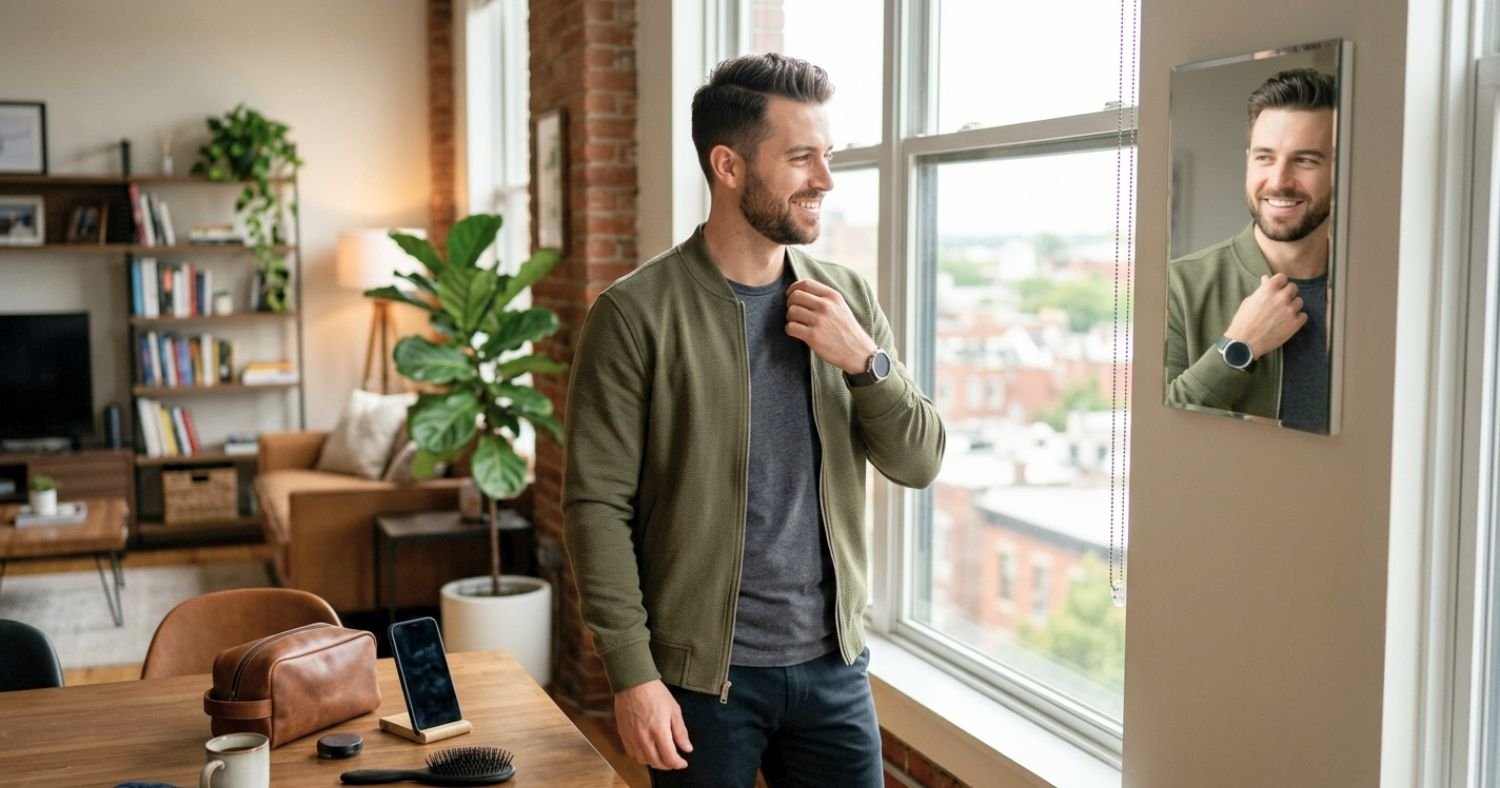
Many employees feel nervous in front of a camera, especially if they don’t have professional photos taken regularly. A skilled headshot photographer will guide each person, but sharing a few basic posing tips beforehand can help everyone feel more comfortable.
Stand or Sit with Good Posture
Good posture immediately creates a more confident appearance.
Employees should:
- Stand tall with relaxed shoulders.
- Keep their back straight without looking stiff.
- Slightly lean toward the camera to appear more engaged.
A relaxed posture looks more approachable than standing perfectly straight.
Angle the Body Slightly
Rather than facing the camera directly, employees should turn their body about 30 to 45 degrees while keeping their face toward the camera.
This creates:
- Better body proportions
- More flattering angles
- A natural, professional appearance
Relax the Hands
Hands often create awkward poses.
Employees should avoid:
- Clenched fists
- Tight crossed arms
- Hands hidden in pockets.
Instead, keep hands relaxed at the sides, gently folded, or naturally crossed if instructed by the photographer.
Practice a Natural Smile
- A genuine smile builds trust.
- Instead of forcing a smile, employees should think about something positive or focus on having a pleasant conversation with the photographer.
- Natural expressions almost always produce the strongest portraits.
Common Company Headshot Mistakes to Avoid
Even well-organised companies can make simple mistakes that affect the quality of their team photos.
Waiting Until the Last Minute
Planning a company headshot day only a few days in advance often results.
- Scheduling conflicts
- Inconsistent clothing
- Missed employees
- Poor preparation
Begin planning at least two to four weeks before the session.
No Dress Code
Without wardrobe guidelines, employees may arrive wearing completely different styles.
Examples include:
- Bright colors
- Casual T-shirts
- Busy patterns
- Large logos
Providing clear dress expectations creates a cohesive look across the entire team.
Inconsistent Backgrounds
Using different backgrounds for each employee creates an inconsistent brand image.
Whenever possible, use:
- The same backdrop
- Consistent lighting
- Similar framing
- Matching editing style
This creates a polished, professional appearance across your website.
Skipping Hair and Grooming Preparation
Encourage employees to:
- Schedule haircuts several days beforehand.
- Trim facial hair.
- Clean glasses.
- Avoid trying new hairstyles the day before the session.
Small grooming details make a significant difference.
Not Updating Employee Photos
Businesses often continue using outdated employee photos for years.
Whenever possible, schedule new headshots when:
- New employees join the company.
- Leadership changes.
- The company rebrands.
- Team members significantly change their appearance.

Company Headshot Day Timeline
Following a structured schedule helps the session run smoothly.
| Time Before Session | Recommended Action |
| 3–4 Weeks Before | Book your photographer and confirm the date. |
| 2 Weeks Before | Send wardrobe and grooming guidelines to employees. |
| 1 Week Before | Confirm schedules and remind employees about the session. |
| 2–3 Days Before | Encourage grooming appointments and prepare clothing. |
| Night Before | Iron outfits, clean glasses, and get a good night’s sleep. |
| Photo Day | Arrive 10–15 minutes early and follow the photographer’s directions. |
Where to Use Company Headshots
Professional employee headshots provide value long after the session is complete.
| Platform | Purpose |
| Company Website | Team page and About Us section |
| LinkedIn Profiles | Professional networking |
| Google Business Profile | Build trust with local customers |
| Email Signatures | Personalize communication |
| Business Cards | Professional networking |
| Company Directory | Internal identification |
| Marketing Brochures | Showcase your team |
| Press Releases | Media announcements |
| Recruitment Pages | Attract new talent |
| Social Media | Employee spotlights and company updates |
HR & Office Manager Checklist
Use this checklist to organise a successful company headshot day.
| Task | Status |
| Schedule the photographer | Complete |
| Confirm employee attendance | Complete |
| Share wardrobe guidelines | Complete |
| Coordinate department schedules | Complete |
| Reserve the photography space | Complete |
| Prepare company branding materials | Complete |
| Communicate arrival times | Complete |
| Remind employees one day before | Complete |
| Organise backup time slots | Complete |
| Collect final image requirements | Complete |
Professional Photographer Tips
Tip 1: Keep Team Photos Consistent
- Using the same background, lighting, cropping, and editing style across all employee headshots creates a polished and professional brand image.
Tip 2: Photograph Leadership First
- Start with executives and managers early in the day. This helps establish the visual style and allows leadership to return to their schedules quickly.
Tip 3: Encourage Relaxed Conversations
- Many employees feel uncomfortable in front of the camera. A friendly conversation during the session often leads to more genuine expressions than asking someone to “smile.”
Tip 4: Create an Annual Headshot Policy
- Instead of waiting years to update employee photos, consider scheduling annual or biannual headshot sessions to keep your company’s branding consistent and current.

Frequently Asked Questions: How to Prepare Employees for Company Headshots?
1. Why are professional company headshots important?
- Professional headshots create a consistent brand image, build customer trust, and improve your company’s online presence.
2. How far in advance should employees prepare?
- Notify employees at least two weeks before the session so they have time to plan outfits, schedule grooming appointments, and prepare.
3. What should employees wear?
- Choose professional clothing in solid, neutral colors such as navy, charcoal, white, soft blue, or burgundy. Avoid logos and busy patterns.
4. Should employees wear glasses?
- Yes, if they normally wear glasses. Clean the lenses beforehand and mention any concerns about glare to the photographer.
5. How long does each employee session take?
- Most professional headshot sessions take between 5 and 15 minutes per employee, depending on the number of poses and outfit changes.
6. Should everyone use the same background?
- Yes. Consistent backgrounds and lighting help create a unified, professional appearance across your company’s website and marketing materials.
7. Can employees bring multiple outfits?
- Absolutely. Bringing one or two additional outfit options provides flexibility and helps match different branding needs.
8. How often should companies update employee headshots?
- Most businesses should update headshots every 2–3 years, or whenever there are significant changes to branding, leadership, or employee appearance.
9. What if an employee feels uncomfortable in front of the camera?
- An experienced headshot photographer will guide posing, expressions, and posture to help every employee feel relaxed and confident.
10. How do we choose the right corporate headshot photographer?
- Review portfolios, read client reviews, and choose a photographer who specialises in corporate branding and understands how to create consistent images for entire teams.
Conclusion
Professional company headshots are more than just employee photos—they’re an extension of your brand. Consistent, high-quality portraits help your business appear credible, approachable, and professional across every platform, from your website and LinkedIn profiles to email signatures and marketing materials.
The key to a successful headshot day is preparation. By giving employees clear wardrobe guidelines, scheduling grooming in advance, coordinating backgrounds and branding, and communicating expectations early, your organisation can create a smooth and enjoyable photography experience.
When you partner with an experienced corporate headshot photographer, every employee receives guidance on posing, expressions, and posture, resulting in images that feel authentic and consistent. Investing in professional headshots not only enhances your company’s image today but also supports stronger branding, improved customer trust, and long-term business growth.