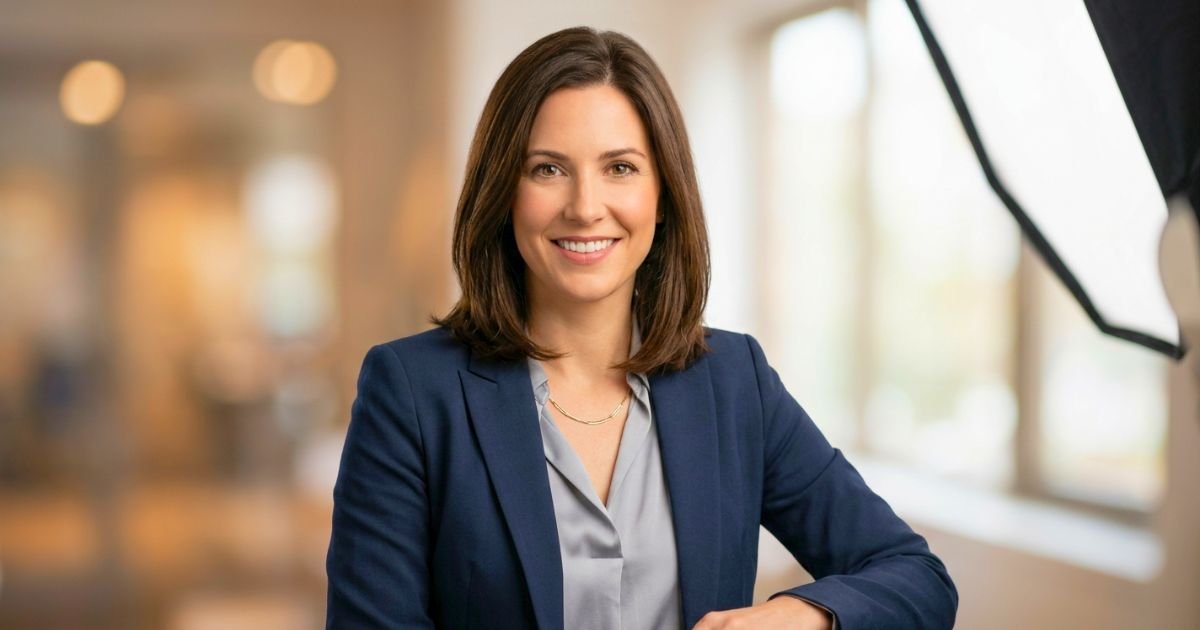
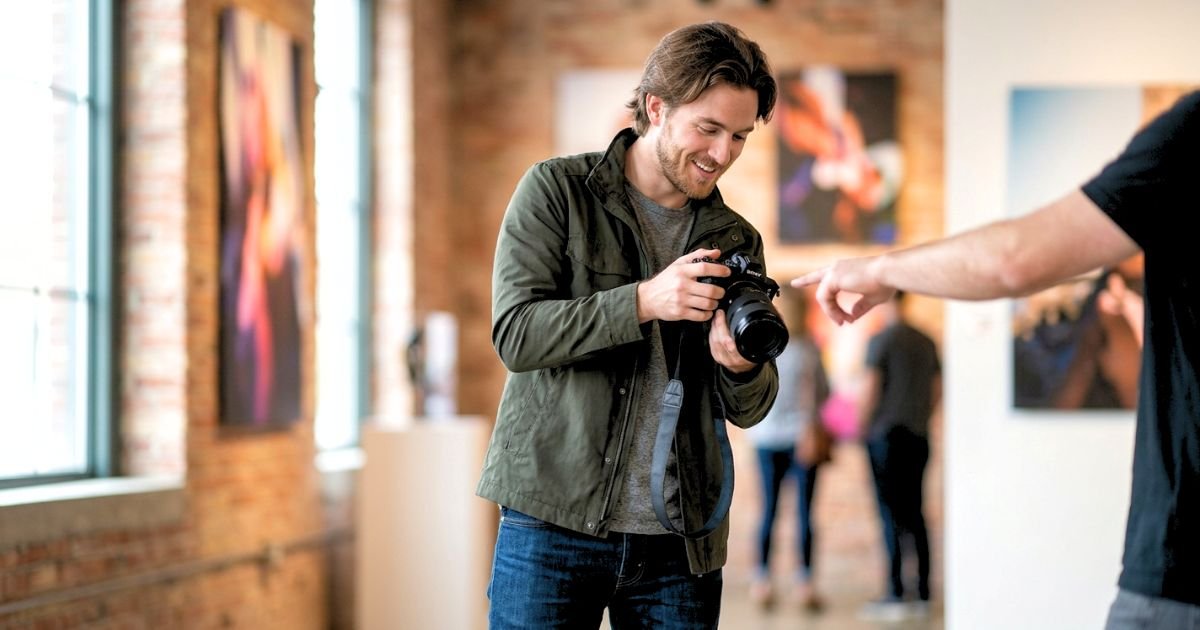
Professional headshots are more than just photographs; they’re often the first impression you make online. Whether you’re updating your LinkedIn profile, building a personal brand, launching a business, or preparing for a corporate team page, a polished headshot communicates confidence, professionalism, and approachability.
The good news? You don’t need to be a model to get a great headshot. The best portraits happen when you’re well-prepared, comfortable, and working with a photographer who understands how to highlight your personality and professional image.
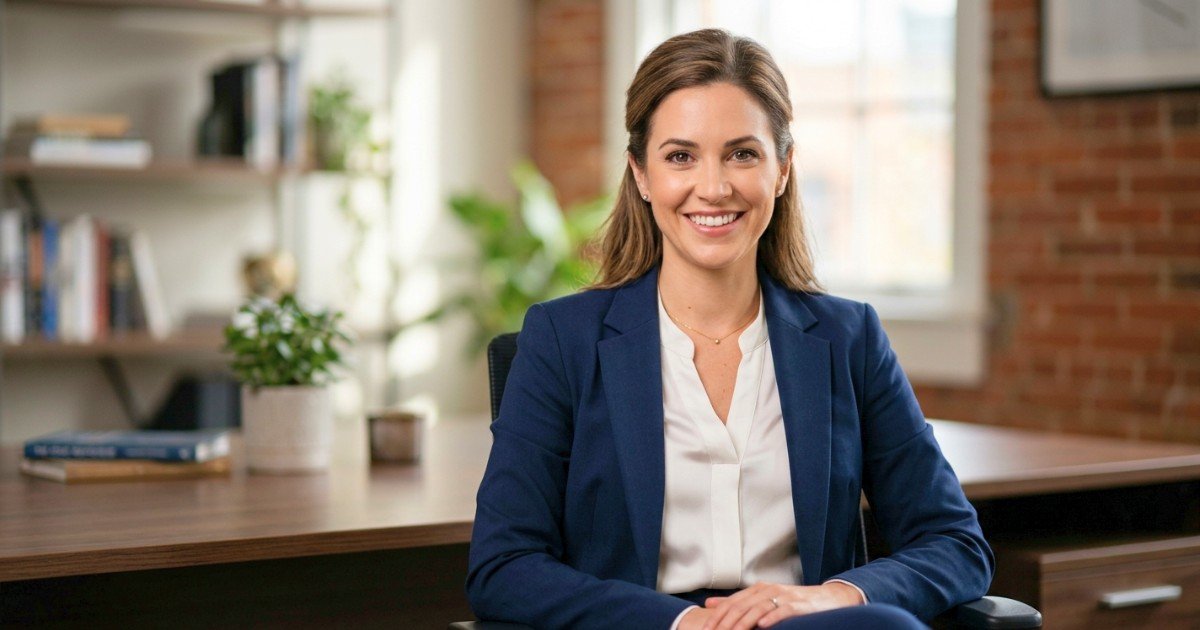
In this guide, you’ll learn exactly how to prepare for a professional headshot, from choosing the right outfit and grooming tips to posing naturally and feeling confident in front of the camera. These practical recommendations will help you walk into your session ready to capture images you’ll be proud to use for years.
Why Preparation Matters for a Professional Headshot
Many people assume a professional headshot is all about having an expensive camera or advanced editing. In reality, preparation has a much bigger impact on the final result.
When you arrive prepared, your photographer can focus on creating flattering lighting, natural expressions, and authentic poses instead of fixing avoidable issues like wrinkled clothing, distracting accessories, or last-minute styling concerns.
Proper preparation helps you:
- Feel more relaxed during the session
- Save time during the shoot
- Reduce unnecessary retouching
- Capture natural, confident expressions
- Create a polished and professional appearance
- Get more variety from your session
Think of your headshot as an investment in your personal or professional brand. Spending a little time preparing beforehand can significantly improve the quality of your final images.
Define the Purpose of Your Headshot
Before selecting your outfit or planning your hairstyle, ask yourself one simple question:
What will this headshot be used for?
- The answer influences nearly every decision you make before the session.
Corporate Professionals
If you’re updating your company website, business profile, or LinkedIn page, your image should reflect professionalism and reliability.
A clean, polished look works best, with business attire that aligns with your industry. Neutral colors, simple accessories, and timeless styling help create a professional appearance that won’t feel outdated in a few years.
Business Owners and Entrepreneurs
Personal branding photography allows a little more personality. Consider clothing that reflects your brand while still looking polished. A creative entrepreneur might choose business-casual attire with subtle pops of color, while a consultant or attorney may prefer more traditional professional attire.
The goal is to look approachable, confident, and authentic.
Actors and Performers: Headshots for actors are different from corporate portraits. Casting directors want to see the real you, so heavy retouching, dramatic makeup, or overly formal clothing can work against you. Keep styling simple and let your natural personality shine.
Job Seekers: Recruiters often form an impression within seconds of viewing a LinkedIn profile. A current, high-quality headshot communicates professionalism, attention to detail, and confidence. Choose attire appropriate for the role or industry you’re targeting, and avoid using outdated or casual photos cropped from vacations or social events.
Choose the Right Outfit
One of the most common questions people ask before a headshot session is, “What should I wear?”
- The answer depends on your profession, but several universal guidelines help almost everyone look their best.
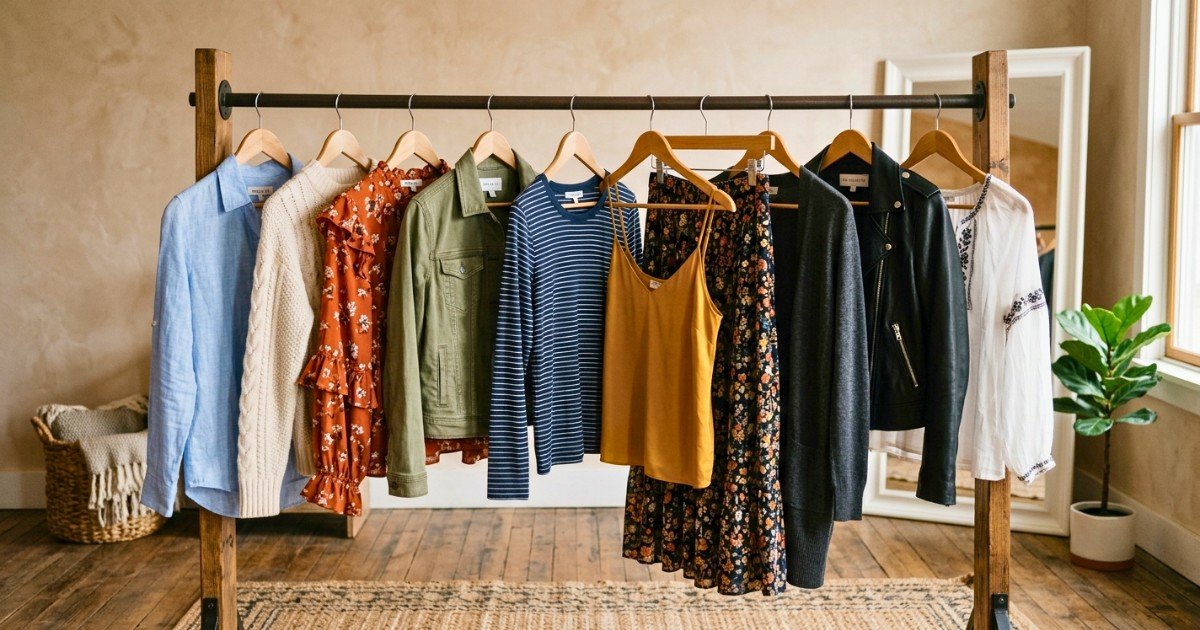
Wear Solid Colors
Solid colors photograph much better than busy patterns. Simple clothing keeps the attention where it belongs—on your face.
Great choices include:
- Navy blue
- Charcoal gray
- Black
- White
- Forest green
- Burgundy
- Soft blue
- Earth tones
These colors complement most skin tones and create a timeless look.
Avoid Distracting Patterns
Large prints, bold stripes, plaid, and oversized logos tend to pull attention away from your expression. Small repeating patterns can also create unwanted visual effects on camera. Instead, choose clean, simple clothing with minimal distractions.
Dress for Your Industry
Your clothing should match the expectations of your profession.
|
Profession |
Recommended Style |
|
Lawyer |
Business suit, blazer, dress shirt |
|
Corporate Executive |
Professional business attire |
|
Real Estate Agent |
Business casual or formal |
|
Healthcare Professional |
Professional business attire or clean medical uniform |
|
Creative Professional |
Modern business casual |
|
Entrepreneur |
Smart casual with polished styling |
|
Consultant |
Blazer with neutral tones |
When in doubt, dress one level more professionally than you typically would at work.
Make Sure Your Clothes Fit Well
Even expensive clothing won’t photograph well if it doesn’t fit properly.
Avoid clothing that is:
- Too tight
- Too loose
- Wrinkled
- Stretched
- Worn out
Well-fitted clothing creates clean lines and helps you appear more polished.
Bring Multiple Outfit Options
If your photographer allows outfit changes, bring two or three options.
For example:
|
Look |
Best For |
| Business Suit |
Corporate websites |
|
Business Casual |
LinkedIn and networking |
| Casual Professional |
Personal branding |
Changing outfits gives you a wider selection of final images and lets you reuse photos across multiple platforms.
Grooming Tips Before Your Headshot Session
Looking polished doesn’t mean dramatically changing your appearance. Instead, focus on looking like the best version of yourself.
Hair
Schedule your haircut about one week before the session. This gives your hair time to settle naturally while still looking fresh. If you color your hair, touch up your roots a few days before your appointment rather than the same day.
On the day of your session:
- Wash your hair if it suits your style.
- Bring a brush or comb.
- Pack any styling products you normally use.
- Avoid trying a brand-new hairstyle.
Consistency is key. You want your headshot to look like the version of yourself people will recognize in real life.
Facial Hair
If you normally wear facial hair, keep it neatly trimmed. If you usually shave clean, do so the morning of your session or the night before, depending on how quickly your facial hair grows. Consistency between your daily appearance and your headshot helps maintain authenticity.
Skincare
Healthy-looking skin photographs beautifully.
A few days before your session:
- Stay hydrated.
- Moisturize daily.
- Get enough sleep.
- Avoid excessive sun exposure.
- Don’t experiment with new skincare products.
If you have temporary blemishes, don’t worry. Professional retouching can usually minimize small imperfections while keeping your skin looking natural.
Makeup
Professional makeup should enhance—not hide—your natural features.
For women:
- Use a natural-looking foundation.
- Reduce shine with translucent powder.
- Choose neutral eye makeup.
- Avoid glitter products.
- Keep lipstick colors timeless.
For men:
Many photographers recommend light powder to reduce facial shine, especially under photographic lighting. This subtle adjustment often improves the final image without looking like you’re wearing makeup.
Nails and Hands
Even if your headshot focuses mainly on your face, your hands may appear in some poses.
Make sure your nails are:
- Clean
- Neatly trimmed
- Free from chipped polish
Small details contribute to a polished final image.
Get Plenty of Rest
A good night’s sleep can make a noticeable difference.
Being well-rested helps reduce:
- Puffy eyes
- Dark circles
- Facial tension
- Fatigue
More importantly, you’ll feel more energized and confident during the session, making it easier to achieve natural expressions.
Professional Photographer’s Tip: One of the simplest ways to improve your headshot is to wear your complete outfit—including shoes—before the session. Stand in front of a mirror, sit down, move around, and check how everything fits. This quick test can reveal issues such as wrinkling, gaping collars, or uncomfortable clothing, giving you time to make adjustments before your appointment rather than discovering them during the shoot.
Prepare Your Skin and Overall Health Before the Session
While professional retouching can minimize small imperfections, the best headshots start with healthy skin and a well-rested appearance. Small habits in the days leading up to your session can make a noticeable difference in how you look on camera.
Stay Hydrated
Hydration affects more than your skin—it also contributes to brighter eyes and an overall healthier appearance. Aim to drink plenty of water during the two or three days before your session rather than trying to “catch up” the morning of your appointment.
Professional Tip: Well-hydrated skin often requires less retouching and photographs with a more natural glow.
Prioritize Quality Sleep
A professional headshot captures every expression and facial detail.
Being well-rested helps reduce:
- Puffy eyes
- Dark circles
- Redness
- Facial tension
- Tired expressions
Try to get 7–9 hours of sleep the night before your session.
Avoid Last-Minute Cosmetic Changes
The week before your headshot is not the time to experiment with new treatments.
Avoid scheduling:
- Chemical peels
- Facial waxing
- Botox or fillers (unless fully healed)
- Aggressive exfoliation
- New skincare products
Unexpected irritation or redness can be difficult to conceal naturally.
Eat a Light, Balanced Meal
Don’t arrive hungry. A nutritious meal before your appointment helps maintain your energy and mood throughout the session. Avoid excessive sugar or salty foods immediately before your shoot, as they may contribute to temporary bloating or dehydration.
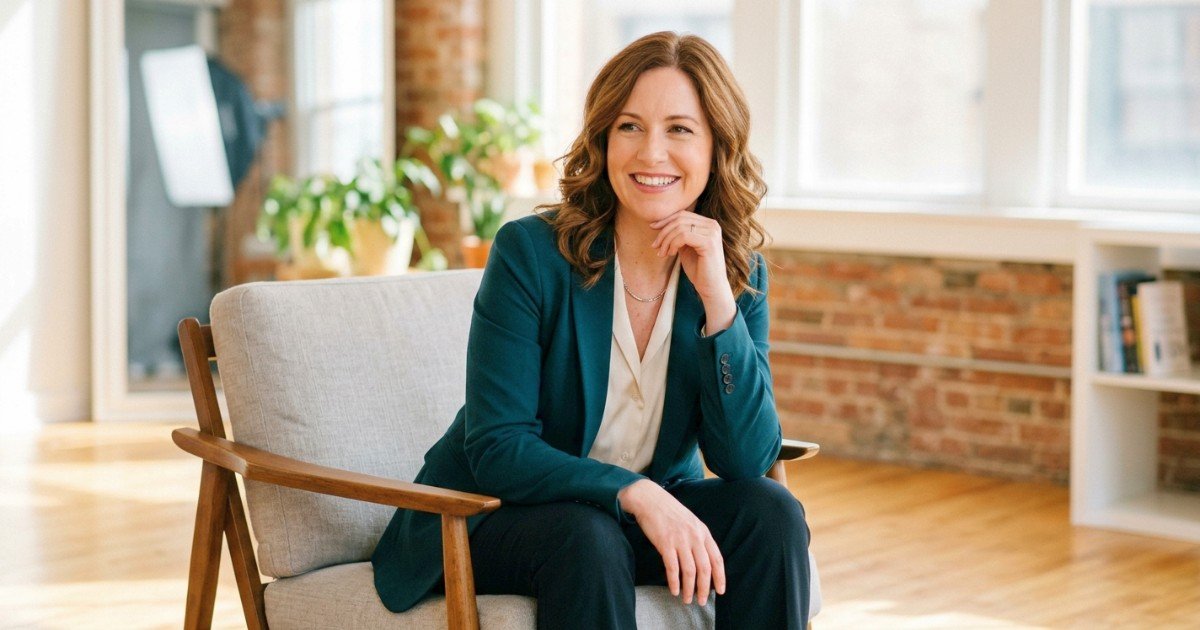
What to Bring to Your Professional Headshot Session
Being prepared helps your session run smoothly and gives you more flexibility during the shoot.
Professional Headshot Checklist:
|
Item |
Why It Helps |
|
2–3 Outfit Options |
Creates variety for different uses |
|
Lint Roller |
Removes dust, lint, and pet hair |
|
Hairbrush or Comb |
Quick touch-ups between poses |
|
Makeup for Touch-Ups |
Reduces shine and refreshes your look |
|
Hair Products |
Manage flyaways or reshape your hairstyle |
|
Water Bottle |
Stay hydrated during the session |
|
Glasses (if you wear them) |
Clean lenses photograph better |
|
Backup Tie or Blouse |
In case of wrinkles or spills |
|
Comfortable Shoes |
Helpful if standing for extended periods |
|
Small Mirror |
Check your appearance before each look |
Having these essentials nearby allows you to make quick adjustments without interrupting the flow of the session.
Choosing Accessories Wisely
Accessories should complement your appearance—not become the focal point of your headshot.
Jewelry
Simple, timeless jewelry works best.
Good choices include:
- Small earrings
- Thin necklaces
- Classic watches
- Wedding rings
- Minimal bracelets
Avoid:
- Oversized statement necklaces
- Large hoop earrings
- Noisy bracelets
- Flashy fashion jewelry
Your face—not your accessories—should draw attention.
Glasses
If you normally wear glasses, wear them for your headshot. People should recognize you when they meet you in person.
Before your session:
- Clean the lenses thoroughly.
- Remove fingerprints.
- Tighten loose frames.
- Bring both your glasses and case.
Professional photographers can often adjust lighting to minimize reflections, but clean lenses make a significant difference.
Watches
A classic watch can subtly enhance a professional appearance. Avoid oversized sports watches or brightly colored smartwatch bands unless they fit your professional image.
Tattoos and Piercings
Whether to show tattoos or facial piercings depends on your industry and personal brand. If they’re part of your everyday appearance and align with your profession, there’s usually no need to hide them. If you’re applying for conservative corporate roles, you may choose clothing or styling that minimizes their visibility.
Practice Natural Expressions Before Your Session
One of the biggest concerns clients have is, “I’m not photogenic.” In reality, most people simply aren’t used to being professionally photographed. The more comfortable you become with your expressions, the more natural your portraits will look.
Practice in Front of a Mirror
Spend a few minutes observing:
- Your natural smile
- Relaxed facial expressions
- Eye contact
- Chin position
- Posture
Notice how subtle adjustments affect your appearance.
Use Your Smartphone
Take a few practice selfies using natural window light. This isn’t about finding the perfect angle.
Instead,
You’re becoming familiar with:
- Genuine smiles
- Relaxed posture
- Comfortable facial expressions
Many clients feel noticeably more confident after this simple exercise.
Think Positive Thoughts
Forced smiles are easy to recognize.
Instead of saying “cheese,” think about:
- A favorite vacation
- A funny memory
- Someone who makes you laugh
- An exciting accomplishment
Authentic emotions create authentic expressions.
Wear Confidence, Not Perfection
Many people postpone headshots because they think they need to:
- Lose weight
- Change their hairstyle
- Buy expensive clothing
- Have perfect skin
The truth is that confidence photographs far better than perfection.
An experienced photographer knows how to use:
- Flattering lighting
- Professional posing
- Camera angles
- Expression coaching
- Composition
To create images that showcase your best features naturally. Your goal isn’t to become someone else—it’s to present the best version of yourself.
Professional Headshot Do vs. Don’t Guide
| ✅ Do |
❌ Don’t |
|
Wear well-fitted clothing |
Wear oversized or tight outfits |
| Choose solid colors |
Wear busy patterns or large logos |
|
Iron your clothes |
Arrive with wrinkled clothing |
| Get enough sleep |
Stay up late the night before |
|
Stay hydrated |
Drink excessive alcohol before the session |
| Bring multiple outfits |
Limit yourself to one option |
|
Clean your glasses |
Leave fingerprints on the lenses |
| Moisturize your skin |
Try unfamiliar skincare products |
|
Trust your photographer’s guidance |
Overthink every pose |
| Relax and enjoy the experience |
Worry about looking “perfect” |
Common Preparation Mistakes to Avoid
Even well-prepared clients occasionally make avoidable mistakes.
Wearing Brand-New Clothes
- New clothing often feels stiff or uncomfortable. Wear your outfit once before the session to ensure it fits well and feels natural.
Ignoring Small Details
Tiny distractions become surprisingly noticeable in high-resolution portraits.
Check for:
- Wrinkled collars
- Loose threads
- Pet hair
- Lint
- Missing buttons
- Scuffed shoes
Bringing Too Many Outfit Choices
While options are helpful, arriving with ten outfits can waste valuable shooting time. Two or three carefully selected looks usually provide plenty of variety.
Forgetting Your Professional Goal
Ask yourself:
“What do I want this photo to communicate?”
Examples:
- Confidence
- Leadership
- Warmth
- Creativity
- Trustworthiness
- Approachability
Keeping this goal in mind helps you choose appropriate clothing, expressions, and poses.
Pro Photographer Tips for Outstanding Headshots
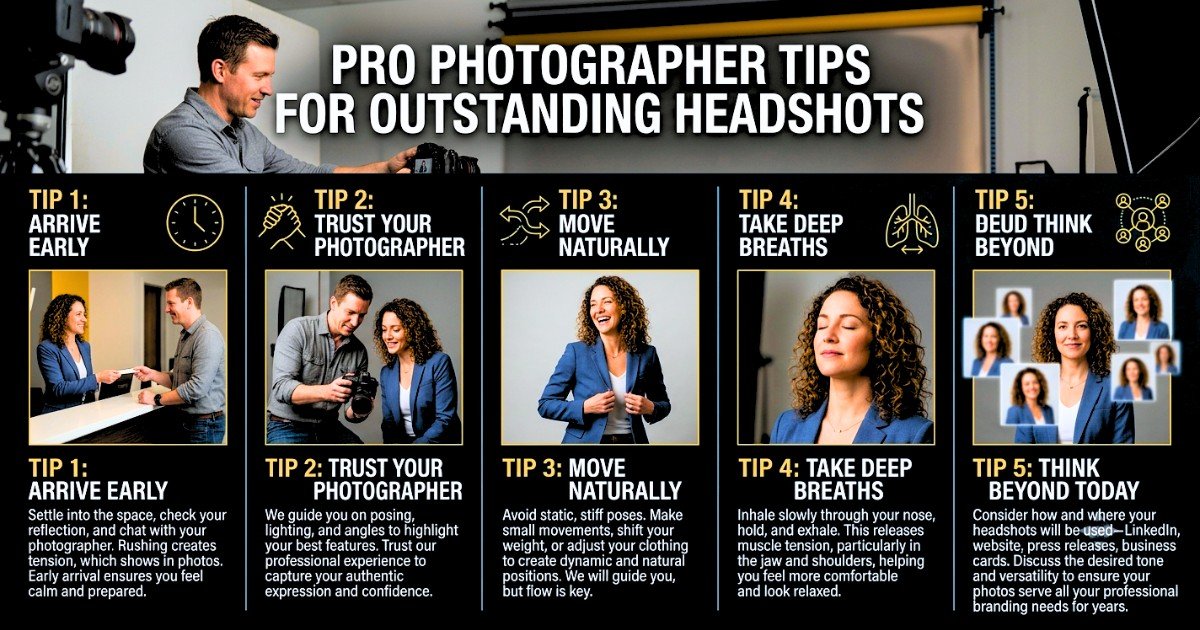
Professional photographers consistently see the same habits among clients who achieve exceptional results.
Tip 1: Arrive Early
Plan to arrive 10–15 minutes before your appointment.
This gives you time to:
- Relax
- Freshen up
- Adjust your clothing
- Mentally prepare
Rushing into the studio often shows in your facial expressions.
Tip 2: Trust Your Photographer
You don’t need to know how to pose perfectly.
Experienced photographers provide guidance on:
- Body positioning
- Chin angle
- Shoulder placement
- Eye direction
- Hand positioning
- Natural expressions
Focus on following directions rather than worrying about every detail.
Tip 3: Move Naturally
Small movements often produce more natural photographs than holding one rigid pose.
Your photographer may ask you to:
- Shift your weight
- Turn slightly
- Walk a few steps
- Laugh naturally
- Look away briefly
These subtle movements help create authentic, engaging portraits.
Tip 4: Take Deep Breaths
Feeling nervous is completely normal. A few slow, deep breaths can relax your shoulders, soften facial tension, and help you settle into the session. The best expressions usually appear after you’ve had a few minutes to become comfortable in front of the camera.
Tip 5: Think Beyond Today
Choose clothing and styling that will still look appropriate a few years from now. Timeless headshots remain useful longer than images built around short-lived fashion trends.
Your 7-Day Professional Headshot Preparation Timeline
Preparing in advance helps you feel confident and reduces last-minute stress. Use this simple timeline to make sure everything is ready before your session.
|
Timeline |
What to Do |
|
7 Days Before |
Decide where you’ll use your headshot (LinkedIn, company website, personal brand, etc.). Plan your outfits and book any haircut if needed. |
| 5 Days Before |
Try on your clothing, check for proper fit, and make any necessary alterations. |
|
3 Days Before |
Wash and iron your clothes, clean your shoes, gather accessories, and continue drinking plenty of water. |
|
2 Days Before |
Get enough sleep, avoid excessive alcohol, and prepare your session essentials. |
|
1 Day Before |
Pack your outfits, brush, makeup, lint roller, and any accessories. Double-check your appointment details. |
|
Session Day |
Eat a balanced meal, arrive 10–15 minutes early, relax, and trust your photographer’s guidance. |
Following this timeline helps you focus on enjoying the experience instead of rushing through last-minute preparations.
What to Expect During Your Professional Headshot Session
Knowing what happens during a headshot session can help you feel more comfortable and confident. While every photographer has a unique workflow, most professional sessions follow a similar process.
Welcome and Consultation
Your photographer will begin by discussing:
- The purpose of your headshot
- Where the images will be used
- Your preferred style
- Any concerns or preferences you have
- Outfit selections
This conversation helps ensure that your final images align with your professional goals.
Lighting Setup
Professional lighting is carefully adjusted to complement your facial features, skin tone, and clothing.
Depending on the style you’re looking for, your photographer may use:
- Studio lighting
- Natural window light
- Outdoor lighting
- Environmental backgrounds
Each lighting setup creates a different mood while maintaining a polished, professional appearance.
Guided Posing
One of the biggest misconceptions about headshots is that you need to know how to pose.
You don’t.
A professional photographer will guide you through:
- Where to place your hands
- How to angle your shoulders
- Chin position
- Eye direction
- Body posture
- Natural expressions
Small adjustments can dramatically improve the final portrait.
Reviewing Images
Many photographers show preview images during the session.
This gives you an opportunity to:
- Check your expression
- Adjust clothing if needed
- Try different poses
- Make small improvements before continuing
Remember, don’t judge yourself too quickly. Professional lighting, cropping, and final editing often make a significant difference.

How to Choose the Best Headshots
After your session, you’ll likely receive a gallery of images to review. Choosing your favorites can be surprisingly difficult, so use these questions as a guide.
Does the image look like you?
- Your headshot should represent your current appearance—not a version of yourself from several years ago.
Would you trust this person?
- Imagine you’re visiting someone’s LinkedIn profile or company website.
Does the image communicate:
- Confidence?
- Professionalism?
- Approachability?
- Authenticity?
If the answer is yes, you’re on the right track.
Is your expression natural?
- Avoid choosing photos where your smile feels forced, or your face appears tense.
- Natural expressions create stronger connections with viewers.
Is your posture confident?
- Strong posture conveys confidence without appearing stiff.
- Look for relaxed shoulders, an open stance, and a natural head position.
Understanding Professional Retouching
Many people worry that retouching will make them look artificial. A skilled photographer uses editing to enhance—not change—your appearance.
Natural Retouching May Include
- Temporary blemish removal
- Reducing under-eye shadows
- Whitening teeth slightly
- Removing stray hairs
- Softening skin texture
- Adjusting exposure and color
The goal is to help you look like your best self on your best day.
What Shouldn’t Be Changed?
A professional headshot should still look like you.
Avoid excessive editing that dramatically changes:
- Face shape
- Body size
- Skin texture
- Eye color
- Facial features
Authenticity builds trust.
How Often Should You Update Your Professional Headshot?
A professional headshot isn’t a one-time investment. As your career grows, your image should evolve with it.
Consider updating your headshot when:
- You change jobs or industries.
- You launch a new business.
- Your appearance changes significantly.
- Your hairstyle changes dramatically.
- Your company updates its branding.
- Your current photo is more than 2–3 years old.
An up-to-date headshot ensures your online presence accurately reflects who you are today.
Professional Headshot Preparation Checklist
Before leaving for your appointment, make sure you’ve completed the following:
|
Task |
Status |
| Choose and iron your outfit |
☑ |
|
Pack a backup outfit |
☑ |
| Clean and polish your shoes |
☑ |
|
Style your hair |
☑ |
| Pack your makeup or grooming touch-up kit |
☑ |
|
Clean your glasses (if applicable) |
☑ |
| Pack a lint roller |
☑ |
|
Bring a water bottle |
☑ |
| Get a good night’s sleep |
☑ |
|
Confirm your appointment time and location |
☑ |
| Plan to arrive 10–15 minutes early |
☑ |
Saving or printing this checklist can help reduce stress on the day of your session.

Frequently Asked Questions: How to Prepare for a Professional Headshot?
1. What should I wear for a professional headshot?
- Choose well-fitted clothing in solid, neutral colors that reflect your industry. Avoid busy patterns, large logos, and overly trendy styles.
2. Should I smile in my headshot?
- Yes, in most cases. A natural smile helps you appear approachable and confident. Your photographer can guide you based on the purpose of the image.
3. Can I wear glasses?
- Absolutely. If you normally wear glasses, include them in your headshot. Just make sure the lenses are clean, and let your photographer manage any reflections.
4. How many outfit changes should I bring?
- Two or three outfits are usually enough to create variety without taking too much time away from the session.
5. Should I get a haircut before my session?
- Yes. Schedule your haircut about a week before your appointment so it looks fresh while still feeling natural.
6. Is professional makeup necessary?
- Not necessarily, but natural makeup can help create a polished appearance and reduce shine under studio lighting.
7. What colors look best in headshots?
- Neutral and solid colors like navy, charcoal, burgundy, forest green, and soft blue photograph well and keep the focus on your face.
8. How long does a professional headshot session take?
- Most sessions last between 30 minutes and 90 minutes, depending on the number of outfit changes and backgrounds.
9. Should I eat before my appointment?
- Yes. A light, balanced meal helps maintain your energy and keeps you comfortable throughout the session.
10. What if I’m nervous in front of the camera?
- That’s completely normal. An experienced photographer will guide your poses, expressions, and posture to help you feel relaxed.
11. How much retouching is normal?
- Professional retouching usually includes removing temporary blemishes, reducing shine, and making subtle adjustments while keeping your appearance natural.
12. How often should I replace my headshot?
- Most professionals should update their headshot every 2–3 years, or sooner if their appearance or career changes significantly.
13. Can I use the same headshot on every platform?
- Yes. A high-quality professional headshot works well for LinkedIn, company websites, email signatures, speaker bios, and personal branding.
14. What should I avoid before a headshot session?
- Avoid trying new skincare treatments, wearing wrinkled clothing, staying up late, or arriving rushed and stressed.
15. Why should I invest in a professional headshot?
- A professional headshot strengthens your personal brand, builds trust, and creates a positive first impression that can support career and business opportunities.
Conclusion
A great professional headshot begins long before the camera starts clicking. From selecting the right outfit and preparing your skin to arriving well-rested and confident, every step contributes to a polished final image.
Remember that the goal isn’t to look like someone else; it’s to present the most confident, authentic version of yourself. Small details such as well-fitted clothing, thoughtful grooming, and a relaxed mindset can make a remarkable difference in how your personality shines through in your portraits.
By following the preparation tips in this guide and working with an experienced photographer, you’ll be ready to create headshots that leave a lasting impression on employers, clients, colleagues, and future opportunities.
Whether you’re updating your LinkedIn profile, refreshing your company bio, or building your personal brand, a professional headshot is an investment in how the world sees you. With a little preparation, you’ll walk into your session with confidence and leave with images that represent you at your very best.