
A professional headshot is much more than a simple portrait. It is often the first impression people have of you online and offline. Whether you’re a business professional, entrepreneur, actor, consultant, speaker, or job seeker, your headshot communicates credibility, confidence, and personality before you ever say a word.
In today’s digital world, professional headshots appear everywhere—from LinkedIn profiles and company websites to conference brochures, business cards, press releases, social media accounts, and marketing materials. Because of this widespread use, investing time and preparation into your headshot session is one of the smartest personal branding decisions you can make. A well-executed headshot can help establish trust, demonstrate professionalism, and make you more memorable. On the other hand, an outdated, poorly lit, or casual photo can unintentionally create a negative impression.
Before stepping in front of the camera, there are several important factors to consider. Understanding the purpose of your Perfect headshot, selecting the right wardrobe, preparing your appearance, and working effectively with your photographer can dramatically improve the final results.
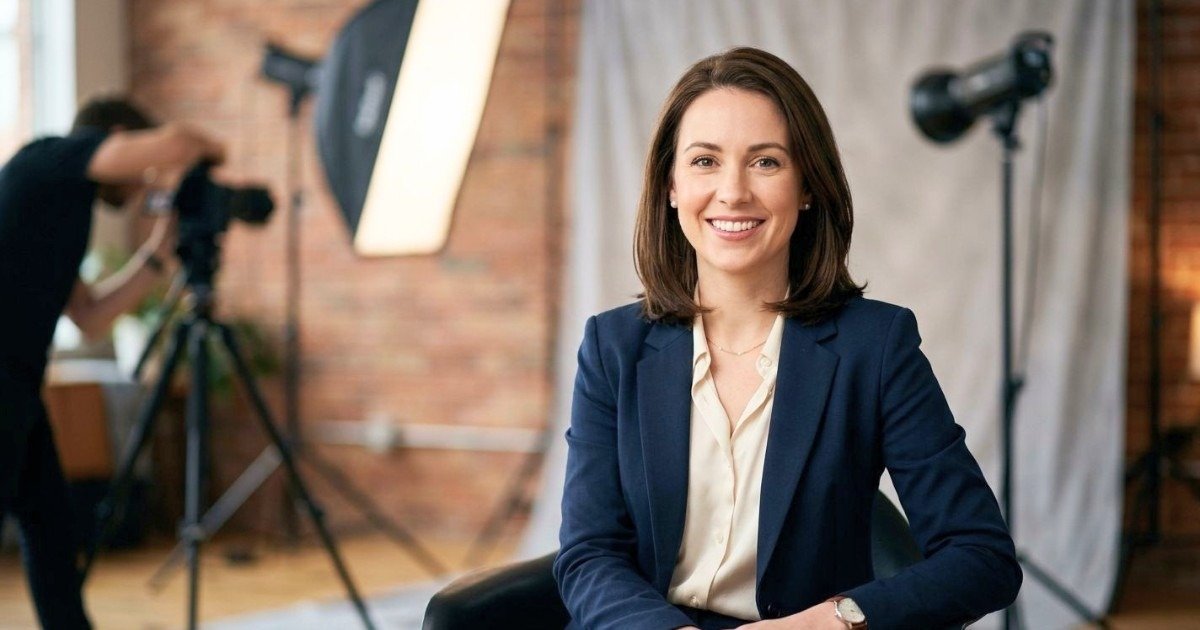
This guide covers everything you should know before a professional headshot photography session so you can look confident, approachable, and authentic in every image.
What is a Professional Headshot Definition?
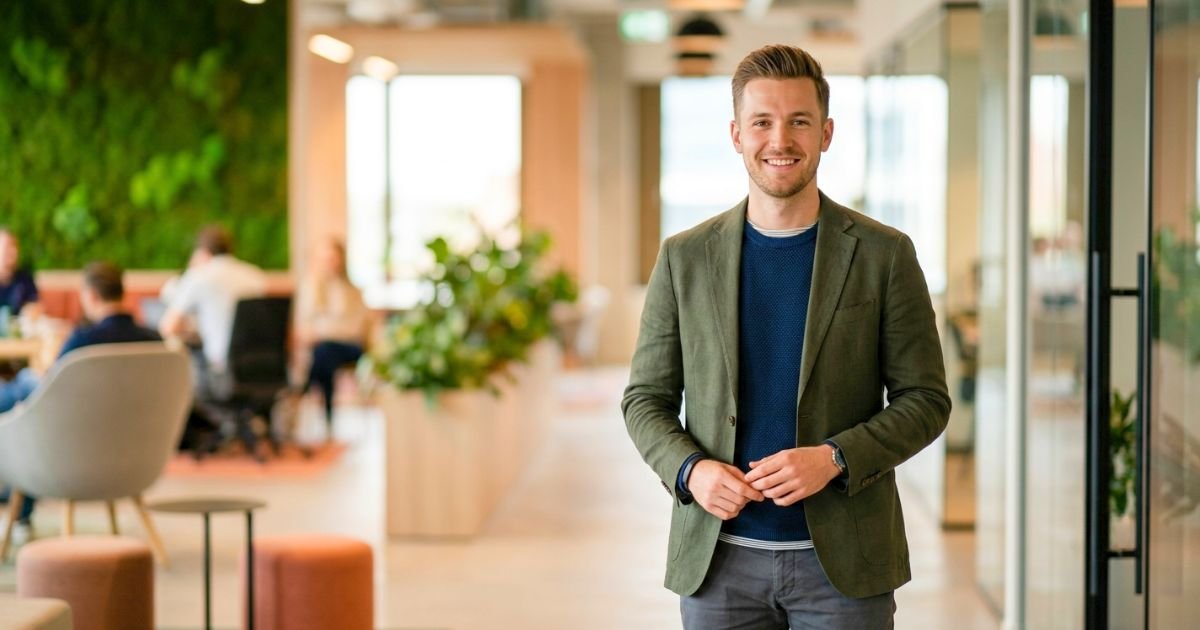
A professional headshot is a specialized type of portrait photography designed to showcase an individual’s face, expression, and personality in a polished and professional manner.
Unlike traditional portraits that may emphasize scenery, props, or full-body poses, headshots focus primarily on the face, shoulders, and upper body. The goal is to create an image that represents who you are professionally while remaining approachable and genuine.
Professional headshots are commonly used for:
- LinkedIn profiles
- Corporate websites
- Business cards
- Company directories
- Speaker profiles
- Press releases
- Marketing materials
- Acting portfolios
- Author biographies
- Social media branding
Why Professional Headshots Matter?
People form first impressions within seconds. Before reading your qualifications or learning about your experience, potential employers, clients, and collaborators often view your photograph.
A professional headshot helps communicate:
- A professional headshot is a specialized type of portrait photography designed to showcase an individual’s face, expression, and personality in a polished and professional manner.
- Unlike traditional portraits that may emphasize scenery, props, or full-body poses, headshots focus primarily on the face, shoulders, and upper body. The goal is to create an image that represents who you are professionally while remaining approachable and genuine.
Professional headshots are commonly used for:
- LinkedIn profiles
- Corporate websites
- Business cards
- Company directories
- Speaker profiles
- Press releases
- Marketing materials
- Acting portfolios
- Author biographies
- Social media branding
Why Professional Headshots Matter?
People form first impressions within seconds. Before reading your qualifications or learning about your experience, potential employers, clients, and collaborators often view your photograph.
A professional headshot helps communicate:
|
Quality |
What It Communicates |
|---|---|
|
Confidence |
Competence and leadership |
|
Smile |
Approachability and friendliness |
|
Eye Contact |
Trustworthiness |
|
Proper Attire |
Professionalism |
|
Quality Photography |
Attention to detail |
Professional headshots are not about looking perfect. Instead, they are about presenting the best and most authentic version of yourself.
DIY vs Professional Headshots
While smartphone cameras have improved dramatically, professional photographers bring several advantages.
- Advanced lighting equipment
- Professional posing guidance
- High-quality lenses
- Retouching expertise
- Background control
- Image composition skills
A professionally created image typically delivers stronger results for career advancement and personal branding.
What are the Types of Headshots?
Not all headshots serve the same purpose. Different industries require different styles, expressions, and visual approaches. Understanding the type of headshot you need helps ensure your session produces images that align with your goals.
Acting headshots and corporate headshots are two primary forms of professional headshots.
- Although both focus on the face and upper body, their objectives differ significantly. Actors need to showcase character and versatility, while business professionals aim to communicate competence and trustworthiness.
Acting Headshots Have Three Subgroups
- Acting headshots are designed to help casting directors quickly assess whether an actor fits a particular role. The image should accurately represent how the actor looks today while highlighting personality and emotional range.
Dramatic headshots: Moody & intense expression.
Dramatic headshots emphasize emotional depth, seriousness, and intensity.
Characteristics include:
- Strong eye contact
- Minimal smiling
- Controlled expressions
- Darker tones
- Subtle lighting contrast
These headshots are commonly used by actors seeking dramatic roles in television, film, and theater.
Comedic headshots: Full of life & charm and slightly quirky.
Comedic headshots showcase warmth, personality, and charisma.
Features often include:
- Bright smiles
- Relaxed posture
- Friendly expressions
- Energetic appearance
Casting directors use these images to identify performers suitable for comedic roles and lighthearted productions.
Commercial headshots: Simple & relaxed look all along.
Commercial headshots are highly versatile and appeal to a broad audience.
These images often feature:
- Genuine smiles
- Natural lighting
- Clean backgrounds
- Everyday appearance
Commercial headshots are commonly used for advertisements, corporate videos, and promotional campaigns.
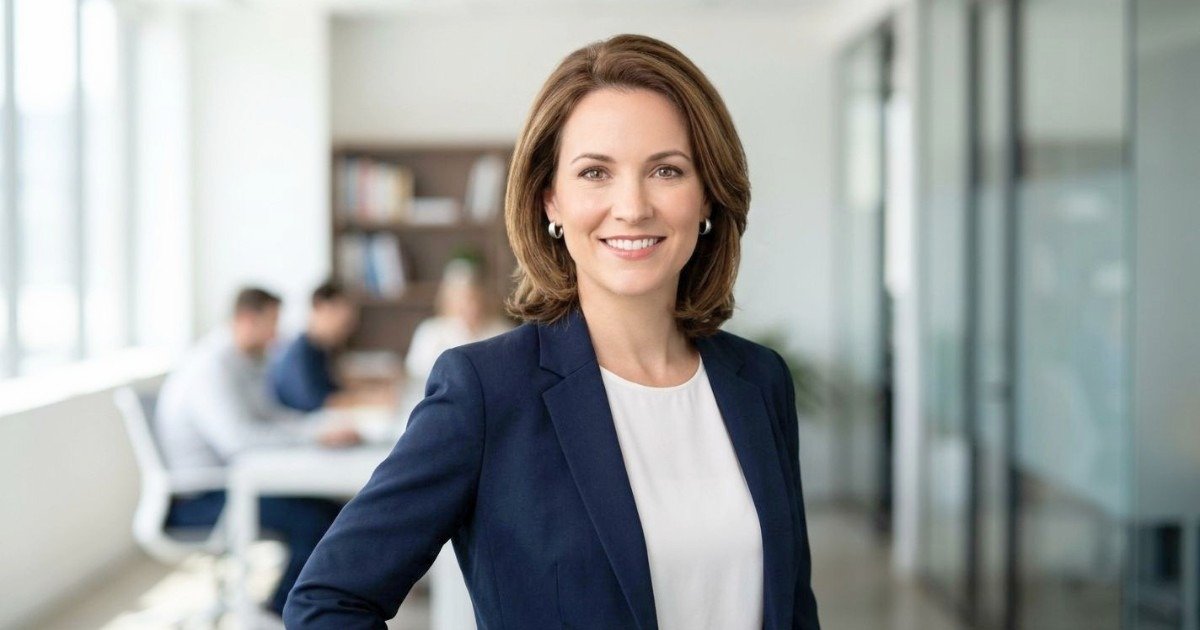
Corporate Headshots Offer Three Categories
Business professionals require headshots that reinforce credibility and professionalism. Different corporate applications call for slightly different styles.
1. LinkedIn headshots: Most standard headshots with a friendly demeanor.
LinkedIn headshots are designed to create positive first impressions.
The best LinkedIn images typically include:
- Direct eye contact
- Natural smile
- Professional attire
- Neutral background
- Clean composition
Research consistently shows that profiles with professional photos receive significantly more engagement than those without.
2. Team headshots: Standard office portraits with colleagues.
Organizations often require consistent team headshots to maintain a unified brand image.
Characteristics include:
- Matching backgrounds
- Similar lighting
- Consistent poses
- Coordinated styling
These portraits appear on company websites, directories, and marketing materials.
3. Presenter headshots: Personality-driven, showing expertise for a keynote or event.
Speaker and presenter headshots require a balance between professionalism and personality.
These images should communicate:
- Expertise
- Confidence
- Authority
- Approachability
They are frequently used for conferences, webinars, podcasts, and industry events.
Importance of Professional Headshots
Professional headshots serve as powerful personal branding tools. In many cases, your photograph becomes your digital handshake. It introduces you before any conversation takes place.
Whether you’re applying for a job, building a business, or growing your professional network, a quality headshot helps establish trust immediately.
Benefits of Professional Headshots
Builds Credibility
- People naturally trust individuals who present themselves professionally.
- A polished image demonstrates that you take your career seriously.
Strengthens Personal Branding
- Consistent professional photos across multiple platforms create recognition and reinforce your brand identity.
Increases Engagement
Profiles with professional photographs tend to receive:
- More profile views
- More connection requests
- More client inquiries
- Higher engagement rates
Creates Strong First Impressions
- Potential employers and clients often form opinions within seconds.
- A quality headshot helps ensure those first impressions are positive.
Why Selfies Are Not Enough?
Even the best smartphone selfie rarely matches the quality and professionalism of a dedicated headshot session.
Common selfie problems include:
- Poor lighting
- Distorted perspective
- Distracting backgrounds
- Inconsistent quality
Professional photography eliminates these issues and produces images suitable for professional use.
Best Headshot Dressup for Crisp Portraits
- Wardrobe selection plays a major role in determining how successful your headshot will be.
- The right outfit should support your professional image rather than distract from it.
- Your face should always remain the primary focus.
Understanding Industry Expectations
Different professions have different dress standards.
|
Profession |
Recommended Clothing |
|---|---|
|
Corporate Executive |
Suit and tie |
|
Attorney |
Business formal |
|
Consultant |
Business professional |
|
Entrepreneur |
Smart casual |
|
Designer |
Creative professional |
|
Real Estate Agent |
Polished business attire |
Researching leaders within your industry can provide valuable wardrobe inspiration.
General Clothing Guidelines
Choose clothing that:
- Fits properly
- Complements your skin tone
- Reflects your industry
- Feels comfortable
- Photographs well
Avoid:
- Loud logos
- Busy patterns
- Neon colors
- Wrinkled clothing
- Trendy items that quickly become outdated
The most timeless headshots often feature simple, well-fitted attire.
Different Headshot Poses
Many people worry about posing before their headshot session.
Fortunately, professional photographers provide guidance throughout the process.
The goal is not to create stiff poses but to capture natural confidence.
Common Professional Headshot Poses
Straight-On Pose
Ideal for:
- Corporate websites
- Business profiles
Creates a direct and trustworthy appearance.
Slight Angle Pose: Turning the body slightly while keeping the face toward the camera often produces a flattering and dynamic look.
Lean-In Pose: A slight forward lean can create engagement and approachability.
Crossed Arms Pose: Often used for executives and business owners. Communicates confidence and authority.
Expression Matters More Than Pose
The most effective headshots often rely on subtle facial expressions rather than dramatic body positioning.
Focus on:
- Relaxed eyes
- Natural smile
- Confident posture
- Genuine expression
The best headshots look effortless, even though careful preparation went into creating them.
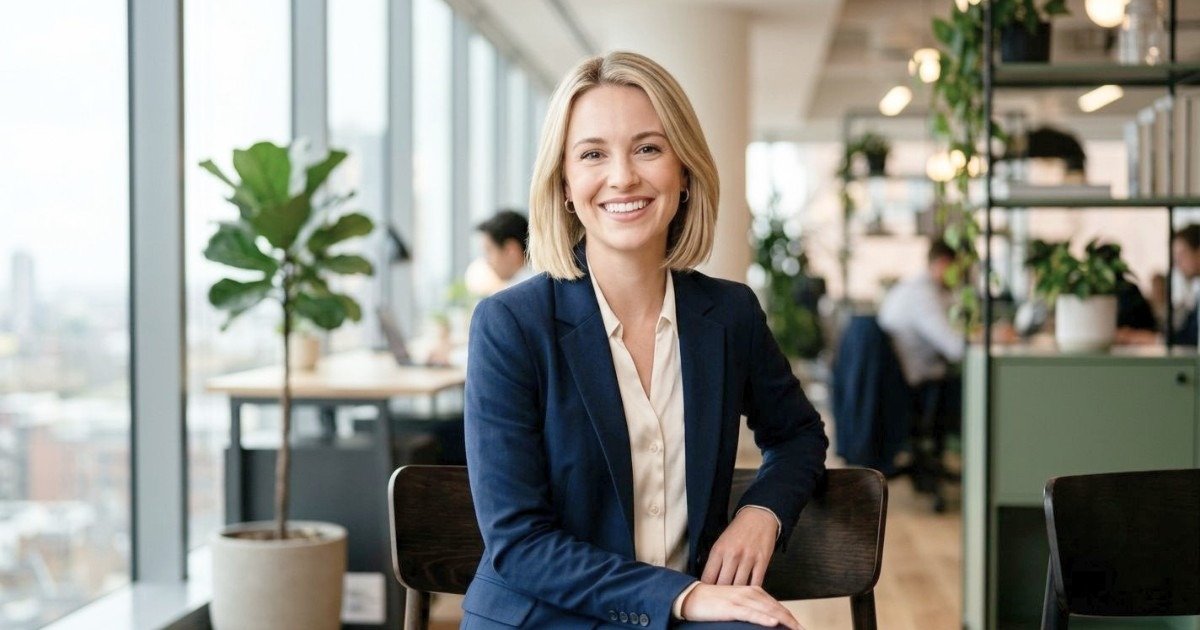
What to Wear for Professional Headshots for Females?
Choosing the right outfit for a female professional headshot session requires balancing professionalism, confidence, and personal style. The goal is to wear clothing that enhances your appearance without distracting from your face.
Remember, your headshot may represent you for several years across multiple platforms. Timeless clothing choices generally perform better than trendy fashion items.
Best Clothing Options for Female Headshots
Professional women often achieve excellent results with:
- Blazers and structured jackets
- Long-sleeve blouses
- Solid-color dresses
- Tailored tops
- Professional knitwear
- Business-casual attire
A fitted blazer remains one of the most versatile choices because it creates structure and conveys confidence.
Colors That Photograph Well
Certain colors consistently perform better in professional photography.
Recommended colors include:
- Navy blue
- Deep green
- Burgundy
- Charcoal gray
- Soft blue
- Cream
- Black (used carefully)
- Earth tones
These shades complement most skin tones while maintaining a professional appearance.
Colors and Patterns to Avoid
Avoid clothing that competes with your face for attention.
Examples include:
- Neon colors
- Busy patterns
- Large logos
- Glittery fabrics
- Highly reflective materials
- Distracting graphics
The viewer’s attention should remain on your eyes and expression.
Jewelry and Accessories
Accessories should complement your appearance rather than dominate it.
Best practices include:
- Small earrings
- Simple necklaces
- Minimal bracelets
- Elegant watches
Avoid oversized statement pieces unless they align with your personal brand.
Hair Preparation Tips
Hair plays an important role in the overall appearance of a headshot.
For best results:
- Schedule hair appointments a few days before the session
- Avoid drastic hairstyle changes immediately before shooting
- Bring a brush or comb
- Pack hair products for touch-ups
The objective is polished and natural—not overly styled.
Confidence Through Comfort
Perhaps the most important wardrobe rule is comfort. If your clothing feels restrictive, uncomfortable, or unfamiliar, it may affect your posture and facial expressions.
Choose outfits that help you feel:
- Confident
- Comfortable
- Authentic
- Professional
When you feel good, it shows in every photograph.
Perfect Headshot Makeup for an Incredible Impression
Professional headshot makeup differs from everyday makeup. The purpose is not to create a dramatic transformation but to enhance natural features while ensuring they photograph well under professional lighting.
Many photographers and makeup artists follow a simple principle:
“Look like yourself on your best day.”
Why Headshot Makeup Matters?
Professional studio lighting can:
- Wash out facial features
- Reveal uneven skin tones
- Emphasize redness
- Highlight under-eye shadows
Proper makeup helps create a balanced and polished appearance.
Natural Always Wins
The best professional headshots typically feature:
- Natural-looking skin
- Soft enhancements
- Balanced tones
- Minimal distractions
Heavy makeup can quickly become the focal point of the image rather than the person wearing it.
Benefits of Professional Makeup
Many headshot photographers recommend professional makeup services because experienced artists understand.
- Camera lighting
- Skin texture
- Color correction
- Photo-friendly products
The result often requires less retouching later.
Makeup Goal Checklist:
|
Goal |
Purpose |
|---|---|
|
Even Skin Tone |
Creates a polished appearance |
|
Reduce Shine |
Prevents distracting reflections |
|
Define Features |
Improves camera visibility |
|
Maintain Natural Look |
Preserves authenticity |
|
Control Redness |
Creates a balanced complexion |
The ideal makeup application should be almost invisible while subtly enhancing your best features.
How to do Headshot Makeup?
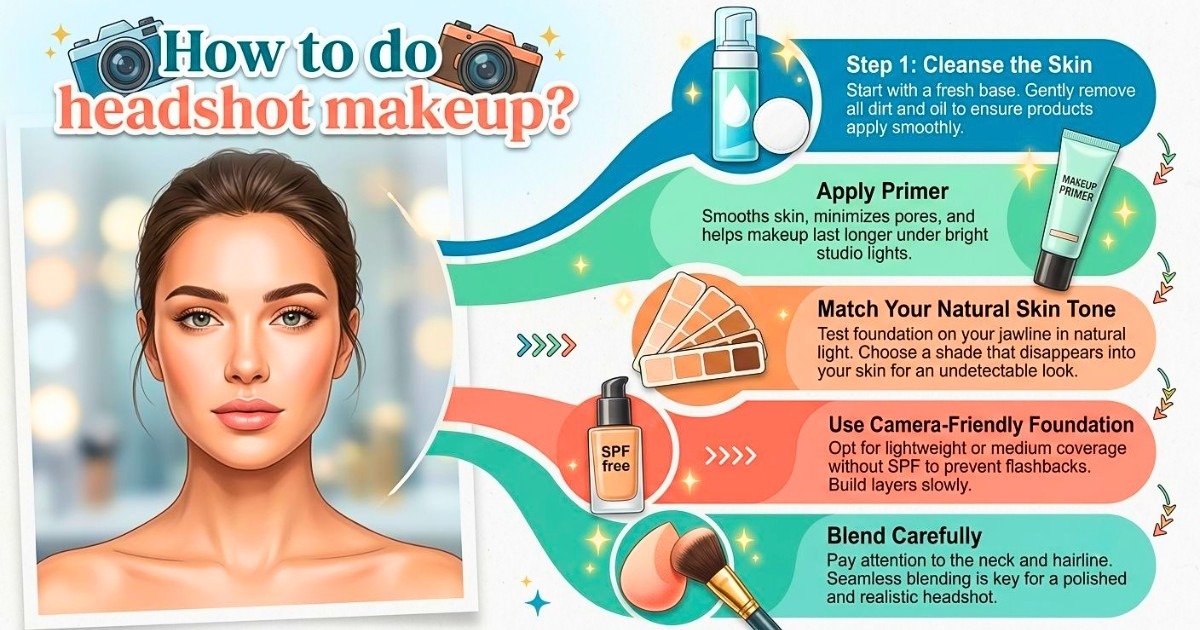
Proper preparation starts before makeup is applied.
Step 1: Cleanse the Skin
Begin with:
- Gentle cleansing
- Light exfoliation
- Moisturizing
Healthy skin provides the best foundation for photography.
Step 2: Apply Primer
Primer helps:
- Smooth skin texture
- Reduce pores
- Increase makeup longevity
- Create an even surface
This is especially useful during longer photography sessions.
Step 3: Match Your Natural Skin Tone
Many people choose foundation shades based on personal preference rather than actual skin tone.
For headshots, your foundation should match:
- Neck
- Chest
- Jawline
This creates a seamless and natural appearance.
Step 4: Use Camera-Friendly Foundation
Most professionals recommend:
- Matte foundation
- Oil-free formulas
- Medium coverage
These products help avoid excessive shine under studio lights.
Step 5: Blend Carefully
Poor blending becomes highly visible in high-resolution images.
Pay special attention to:
- Jawline
- Hairline
- Neck area
Smooth transitions create a natural result.
Avoid Excessive Glow: While dewy finishes may look attractive in person, they can create unwanted reflections in photographs. Matte or satin finishes generally perform best.
How to do the Lips?
Lips contribute significantly to facial balance and expression. The goal is healthy, natural-looking lips that complement your overall appearance.
Lip Preparation
Before the session:
- Hydrate properly
- Use lip balm regularly
- Exfoliate gently if needed
Healthy lips photograph better than heavily corrected lips.
Best Lip Colors
Professional headshots usually benefit from:
- Soft pinks
- Nude shades
- Natural rose tones
- Neutral lip colors
These shades enhance appearance without becoming distracting.
Lip Gloss Considerations
While lip gloss can add fullness, excessive shine may reflect studio lighting.
Use:
- Lightly tinted gloss
- Satin finishes
- Minimal shine products
For Male Headshots
Most men only require:
- Hydrating lip balm
- Dryness prevention
The objective is healthy-looking lips rather than visible cosmetic enhancement.
Check Teeth Frequently
During the session, periodically inspect:
- Teeth
- Lipstick placement
- Lip edges
Small corrections can prevent extensive retouching later.
Do I have to make up my Eyes for Headshots?
The eyes are often called the focal point of a headshot.
They communicate:
- Confidence
- Trustworthiness
- Personality
- Authenticity
Therefore, eye preparation deserves special attention.
Eyebrows
Well-defined eyebrows help frame the face.
Consider:
- Light shaping
- Gentle filling
- Natural definition
Avoid overly dramatic eyebrow trends that may date the photograph.
Mascara
Mascara helps define eyelashes and make eyes appear more prominent.
Benefits include:
- Enhanced eye definition
- Increased visibility on camera
- Balanced facial features
False Lashes
False lashes can be effective when used conservatively.
However:
- Extremely long lashes may cast shadows
- Excessively dramatic lashes can appear unnatural
Choose styles that enhance rather than dominate.
Eye Shadow
Neutral tones generally perform best.
Popular options include:
- Soft browns
- Taupe
- Beige
- Muted neutrals
The goal is subtle enhancement.
Under-Eye Care
Dark circles become more noticeable under professional lighting.
Address them through:
- Sleep
- Hydration
- Concealer
- Color correction
Bright eyes create a stronger headshot.
Do I use blush?
Blush adds dimension and warmth to the face.
Without it, some individuals may appear flat under studio lighting.
Best Blush Practices
Apply:
- Lightly at first
- Gradually build color
- Blend thoroughly
A subtle application often photographs better than heavy coverage.
Recommended Shades
Choose shades that mimic natural color:
- Soft rose
- Peach
- Warm pink
- Muted coral
Avoid Harsh Lines
- Proper blending is essential.
- Blush should appear as a natural transition rather than a distinct stripe of color.
Powder vs Cream Blush
Both can work effectively.
However:
- Powder often provides longer wear
- Cream offers a softer finish
Your skin type and makeup preferences should guide the decision.
How to Address Oily Skin?
Oily skin is one of the most common concerns during headshot photography. Studio lighting can increase shine and make oily areas more noticeable. Fortunately, several simple solutions exist.
Blotting Papers
Blotting papers help remove excess oil without disturbing makeup.
Benefits include:
- Quick application
- Portable use
- No additional product buildup
Setting Powder
Colorless setting powder can reduce shine effectively.
Apply lightly to:
- Forehead
- Nose
- Chin
These areas typically produce the most oil.
Mattifying Products
Professional makeup artists frequently use:
- Mattifying gels
- Oil-control primers
- Shine-reducing sprays
These products extend makeup performance during long sessions.
Hydration Still Matters
- Ironically, dehydrated skin may produce more oil.
- Drink adequate water before your session to support balanced skin health.
Hair Shine Considerations
Healthy hair often benefits from subtle shine.
Products such as:
- Hair gloss sprays
- Lightweight serums
- Shine-enhancing treatments
It can improve overall appearance when used sparingly.
Do I Need Concealer?
Concealer is one of the most valuable tools for professional headshot preparation.
High-resolution cameras and studio lighting reveal details that may go unnoticed in everyday life.
Areas Concealer Can Improve
Concealer helps address:
- Under-eye darkness
- Redness
- Blemishes
- Uneven pigmentation
- Temporary skin imperfections
Why Professional Lighting Changes Everything?
Photography lighting emphasizes:
- Texture
- Shadows
- Color variations
A small blemish may appear more noticeable in a high-resolution image.
Proper Application
- Use concealer carefully and blend thoroughly.
- The goal is correction—not obvious coverage.
Common Areas for Concealer:
|
Area |
Benefit |
|---|---|
|
Under Eyes |
Brighter appearance |
|
Around Nose |
Redness reduction |
|
Chin |
Tone balancing |
|
Forehead |
Blemish coverage |
|
Jawline |
Skin consistency |
Concealer helps create a polished final image while maintaining a natural appearance.
Review Images During the Session
One often-overlooked tip is reviewing photographs periodically.
Benefits include:
- Catching wardrobe issues
- Adjusting makeup
- Improving posture
- Refining expressions
Small adjustments during the session can dramatically improve final results.
Headshot Costs
- Professional headshot pricing varies significantly depending on multiple factors.
- While some photographers offer budget-friendly packages, premium services can cost substantially more.
Average Headshot Price Range:
|
Service Level |
Typical Cost |
|---|---|
|
Basic Session |
$100–$250 |
|
Standard Professional Session |
$250–$600 |
|
Executive Headshots |
$600–$1,500 |
|
Premium Branding Sessions |
$1,500–$3,000+ |
Factors Affecting Price
Several elements influence cost:
Photographer Experience
Highly experienced photographers generally charge more because of:
- Technical expertise
- Reputation
- Consistent results
Session Length
Longer sessions provide:
- More poses
- More outfit changes
- More image options
Retouching
Professional editing often includes:
- Skin refinement
- Color correction
- Background adjustments
Makeup and Hair Services
- In-house stylists may increase costs but often improve results significantly.
Is Professional Photography Worth It?
For most professionals, the answer is yes.
A strong headshot can support:
- Career growth
- Business opportunities
- Personal branding
- Professional credibility
The return on investment often exceeds the cost of the session.
DIY Headshots vs Professional Sessions
DIY solutions have improved significantly thanks to smartphones and AI-powered tools.
However, professional sessions still offer:
- Better lighting
- Better composition
- Better coaching
- Better consistency
For important professional applications, a dedicated headshot session remains the preferred option.
FAQ Of Professional Headshot Photography Session
1. What should I wear to a professional headshot session?
- Choose clean, well-fitted clothing that reflects your profession and personal brand. Solid colors generally photograph better than busy patterns, logos, or distracting prints.
2. How should I prepare for a professional headshot session?
- Get enough sleep, drink plenty of water, prepare your outfits in advance, and arrive with clean, well-groomed hair. Avoid making major hairstyle changes right before the session.
3. What makes a professional headshot look professional?
- A professional headshot combines proper lighting, a natural expression, flattering posing, quality photography equipment, and a polished appearance that aligns with your industry.
4. Should I smile in my professional headshot?
- Yes, in most cases. A genuine smile helps you appear approachable, confident, and trustworthy. The ideal expression depends on your profession and intended use.
5. How often should I update my professional headshot?
- Most professionals should update their headshot every 2–3 years or whenever there is a significant change in appearance, hairstyle, job role, or personal branding.
6. Can I use a smartphone for professional headshots?
- Modern smartphones can capture decent images, but professional photographers provide superior lighting, composition, posing guidance, and image quality that are difficult to replicate at home.
7. What colors work best for professional headshots?
- Solid colors such as navy blue, charcoal gray, burgundy, deep green, and neutral tones work best because they keep the focus on your face rather than your clothing.
8. Should I wear glasses in my headshot?
- If you regularly wear glasses in professional settings, it’s usually a good idea to wear them in your headshot. Make sure the lenses are clean and have minimal glare.
9. Is professional makeup necessary for headshots?
- Professional makeup is optional but can help create an even skin tone, reduce shine, and enhance facial features under studio lighting while maintaining a natural look.
10. How many outfit changes should I bring?
- Bringing two to four outfit options is recommended. This gives you variety and allows the photographer to create different looks for multiple uses.
Conclusion
A professional headshot is one of the most valuable investments you can make in your personal and professional brand. Whether you’re building a business, applying for a new job, growing your online presence, or pursuing opportunities in the creative industry, a high-quality headshot helps create a strong and lasting first impression.
Preparing for your headshot session is just as important as choosing the right photographer. From selecting appropriate clothing and carefully grooming to understanding makeup, posing, and lighting, every detail contributes to the final result. The goal is not to look like someone else but to present the most confident, polished, and authentic version of yourself.
By planning, communicating your goals with your photographer, and paying attention to the key considerations discussed in this guide, you can ensure your professional headshots reflect your personality, credibility, and expertise. A great headshot doesn’t just capture your appearance—it helps tell your story and opens the door to new professional opportunities.
3 Responses
Great content! Keep up the good work!
Thank you for your support.
This is another comment