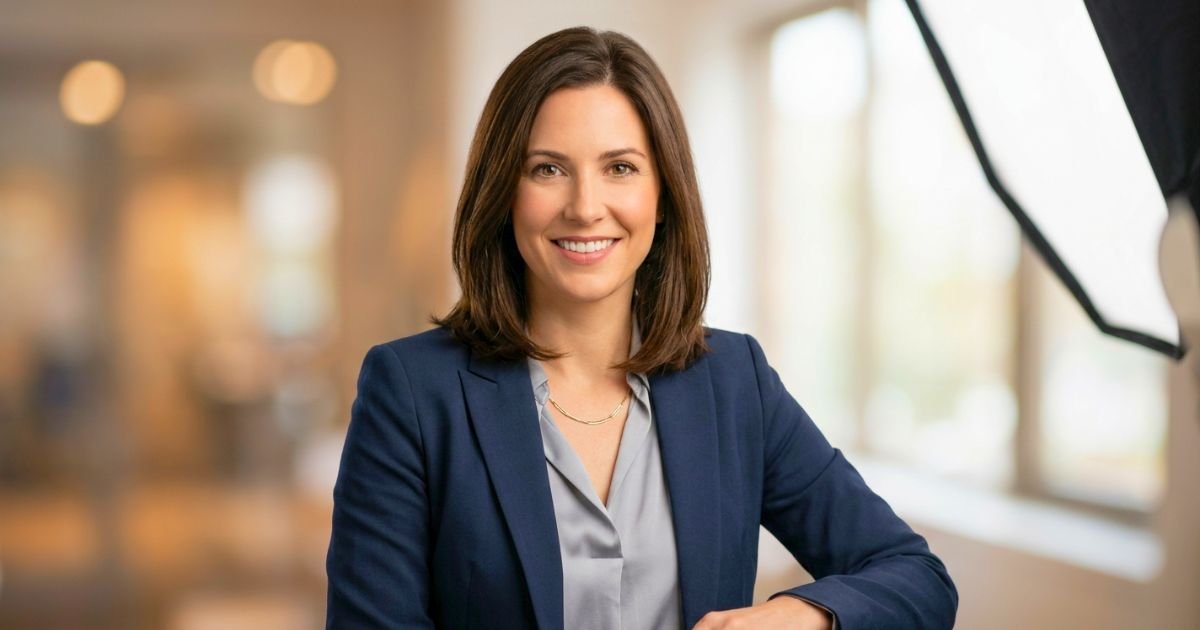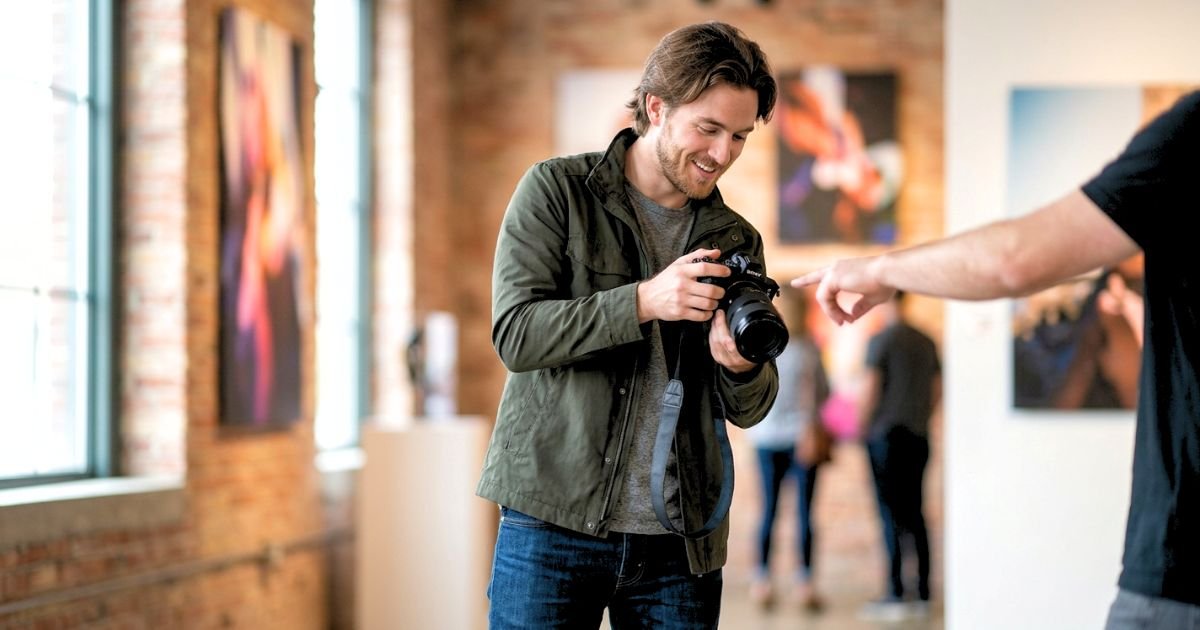
A professional headshot should look like you on your best day—not like a stiff pose, a forced smile, or a version of yourself that feels unfamiliar. That is why so many people ask, “How can I look natural in professional headshots?” The answer is not to stand perfectly still and hope for the best. Natural-looking headshots come from thoughtful preparation, small posing adjustments, relaxed expressions, and clear guidance from your photographer.
Whether you need a new LinkedIn photo, corporate portrait, personal-branding image, actor headshot, or business profile picture, the goal is the same: to look confident, approachable, and recognizably yourself.
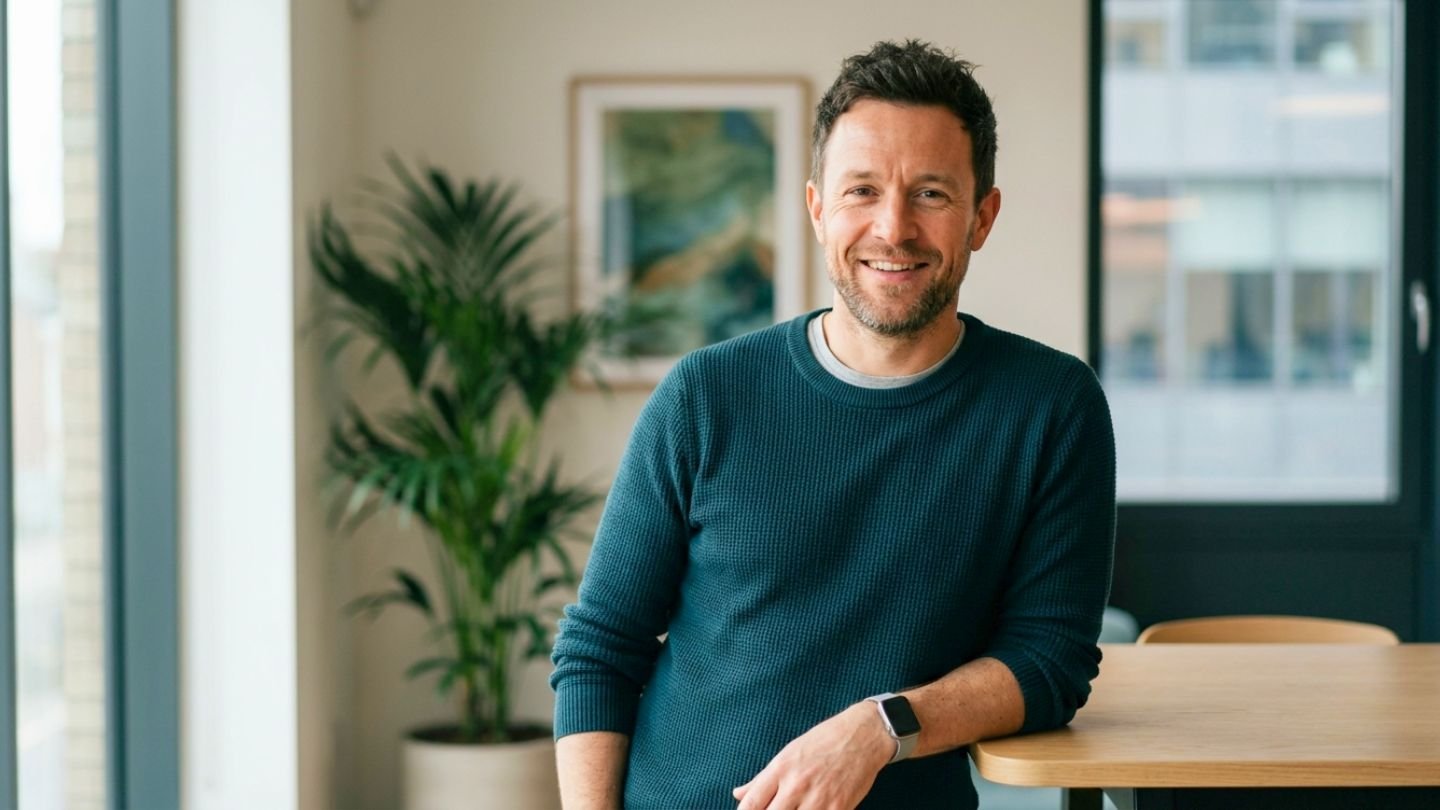
This guide explains how to look natural in professional headshots before, during, and after your session. You will learn how to relax in front of the camera, choose an expression that suits your work, avoid common posing mistakes, and confidently select the final image.
Quick Answer: How Do You Look Natural in a Professional Headshot?
To look natural in a professional headshot:
- Wear an outfit that fits well and feels like you.
- Relax your jaw, shoulders, and hands before each photo.
- Turn your body slightly instead of facing the camera squarely.
- Use a genuine thought or conversation to create a real expression.
- Make small movements between shots instead of holding one rigid pose.
- Trust the photographer’s direction and avoid overthinking every image.
Natural does not mean unprepared. The best headshots are carefully guided but never look overly posed.
Why Looking Natural in a Professional Headshot Matters
Your headshot often creates an impression before you have the chance to introduce yourself. It may appear on LinkedIn, a company website, a speaker bio, a business card, an online portfolio, or social media.
People viewing the image are often making a quick, unconscious assessment:
- Do you seem approachable?
- Capable?
- Trustworthy?
- Confident?
- Experienced?
A natural expression helps communicate those qualities because it feels believable. By contrast, a tense jaw, raised shoulders, frozen smile, or overly serious gaze can make a good photograph feel disconnected from your real personality. The right expression depends on your professional role.
A lawyer, therapist, creative director, real-estate agent, entrepreneur, and actor may all need different visual energy. However, every strong headshot should feel authentic to the person in it. If you are preparing for your session, read our complete guide to professional headshot preparation first. It covers wardrobe, grooming, timing, and what to bring.
Decide How You Want People to Feel When They See Your Headshot
Before choosing an outfit or practicing a smile, decide what your image needs to communicate.
Ask yourself:
- Do I want to appear warm and approachable?
- Do I need to look authoritative and established?
- Is creativity an important part of my work?
- Will clients, employers, colleagues, or casting directors see this image?
- Does my current headshot match my professional goals?
A corporate executive may want a calm, polished expression. A real-estate agent may benefit from warmth and friendliness. A consultant may need confidence without appearing unapproachable. A creative professional may choose a more relaxed expression and environmental setting. Your photographer can guide your poses, but only you can explain the impression you want your image to create.
|
Professional goal |
Helpful visual direction |
Avoid |
| Trust and approachability | Gentle smile, relaxed shoulders, open posture | Intense stare or overly serious expression |
| Leadership and authority | Upright posture, direct eye contact, composed expression | Stiffness or crossed arms held too tightly |
| Creativity and personality | Natural movement, expressive eyes, subtle color or texture | A generic pose that does not feel like you |
| Professional polish | Clean styling, balanced expression, simple background | Distracting clothing, excessive editing, forced smile |
Choose Clothing That Helps You Feel Like Yourself
The most natural headshot starts with clothing that makes you feel confident. If an outfit is too tight, too formal, too unfamiliar, or uncomfortable around the neck and shoulders, that discomfort often appears in your face. Choose pieces that fit well, reflect your usual professional style, and draw attention to your face. For most professional headshots, bring two or three options. A jacket, knit top, collared shirt, blouse, or simple dress can work beautifully when the fit and color are right. Avoid clothing that constantly needs adjusting, including tight collars, overly loose necklines, bulky scarves, or wrinkled fabrics.
Color also makes a noticeable difference. Deep blues, charcoal, forest green, burgundy, and warm earth tones often photograph well, but the best choice depends on your skin tone, hair color, background, and industry. For a deeper wardrobe guide, see the best colors to wear for headshots and what to wear for professional headshots.
A Simple Wardrobe Test Before Your Session
Put on each outfit and take a quick phone photo in natural window light. Do not judge the image as a finished headshot.
Instead, look for practical details:
- Does the neckline frame your face well?
- Does the color make your skin look healthy?
- Can you sit, stand, and move comfortably?
- Does the fabric wrinkle easily?
- Does the outfit feel believable for your work and personality?
If you feel confident before the session begins, you will have less to manage once the camera is in front of you.
Stop Trying to “Pose Perfectly”
Many people become stiff because they are trying too hard to look photogenic. They lock their knees, hold their breath, tense their hands, and keep one expression for too long. The camera does not need perfection. It needs small, natural variations.
A skilled photographer will usually make subtle adjustments rather than ask you to perform dramatic poses. You may be asked to lower a shoulder, turn your torso slightly, lean forward a fraction, or soften your eyes. Those tiny changes can create a significant improvement. Think of posing as a sequence of relaxed movements, not one permanent position.
Try this reset before each set of photos:
- Drop your shoulders.
- Exhale slowly.
- Let your arms hang naturally for a moment.
- Shift your weight to one foot.
- Turn your body slightly away from the camera.
- Bring your eyes back toward the lens.
This prevents the “frozen” look that happens when someone holds one pose too long.
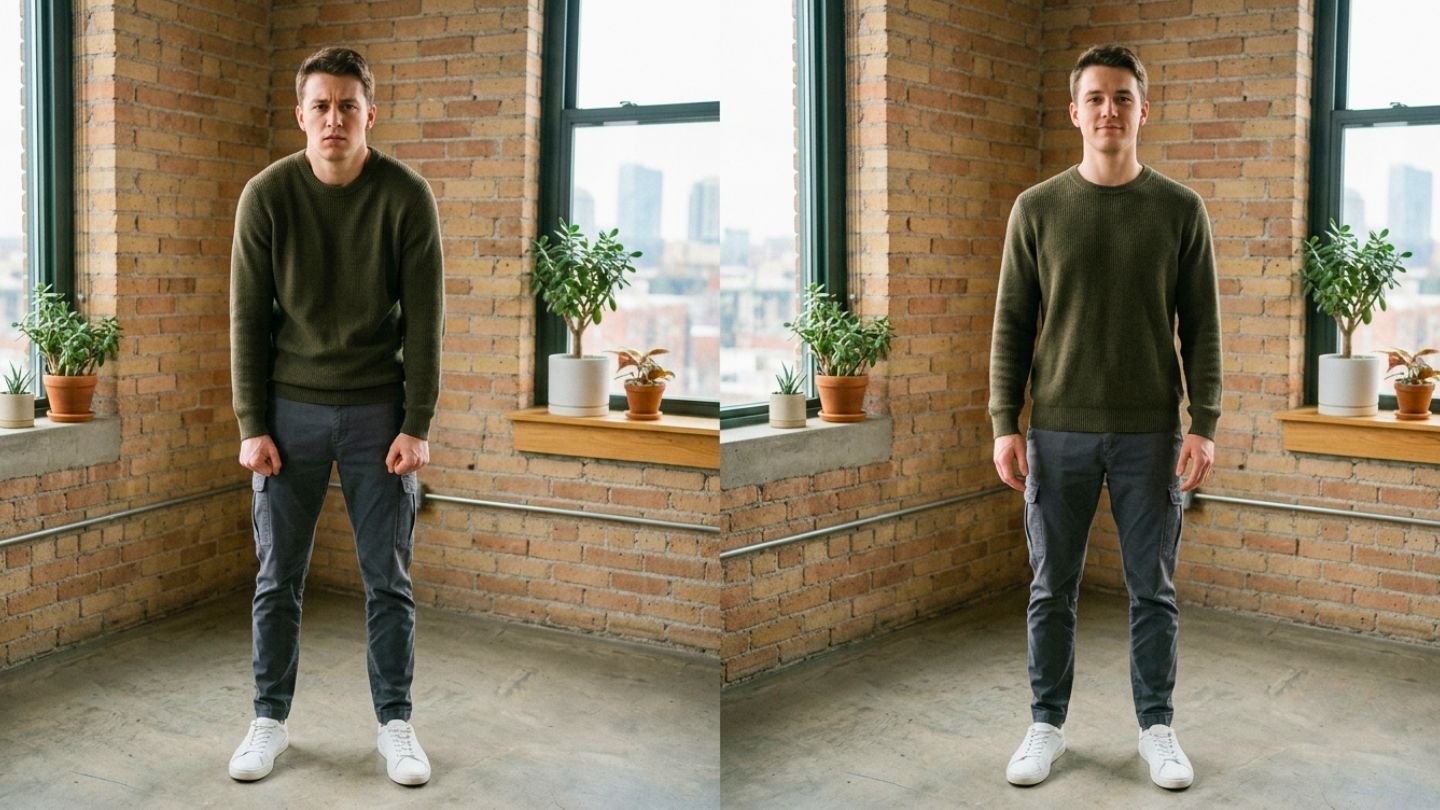
Use a Natural Body Angle for Better Headshots
Facing the camera directly can work, but it is not always the most comfortable or flattering position. A slight turn of the body usually adds depth and makes the image feel more relaxed. Start with your body turned about 30 to 45 degrees away from the camera. Keep your face connected to the lens, then make tiny adjustments to your chin position and shoulder height as directed.
Avoid pushing your shoulders too far back or twisting your body unnaturally. The goal is a subtle, open angle—not a dramatic fashion pose.
|
If you feel awkward because |
Try this small adjustment |
Why it helps |
| Your shoulders feel tense | Roll them up, back, and down once | Releases visible tension in the neck |
| You do not know where to stand | Shift your weight onto one leg | Creates a more relaxed body line |
| Your chin feels awkward | Move it slightly forward and down | Defines the jawline without looking forced |
| Your hands feel stiff | Let them move between photos | Prevents rigid, unnatural gestures |
| You feel too serious | Think of a person or moment that makes you smile | Creates warmth in the eyes and mouth |
For more guidance on posing, explore our article on professional headshot poses and common mistakes.
Relax Your Jaw, Lips, and Eyes
Facial tension is one of the main reasons a headshot can look unnatural. Most people do not notice they are clenching their jaw, pressing their lips together, or widening their eyes until they see the photo. Before the session, gently loosen your face. Let your jaw relax, move your lips lightly, and take a few slow breaths. You do not need to create a huge smile immediately. Start with a calm, neutral expression and allow the photographer to guide you into slightly warmer variations.
Let Your Eyes Participate in the Expression
A real smile does not only happen in the mouth. It also softens the eyes.
Rather than forcing a grin, think about something positive: a recent achievement, a person you enjoy working with, a funny memory, or a goal you are excited about. This creates a more believable expression than simply being told to “smile.”
Do not hold a smile for too long. Smile, relax, reset, and try again. The strongest image often appears just after the posed moment—when your face softens naturally.
Breathe Before Every Photo
Holding your breath is a common camera-nerves response. It tightens the chest, lifts the shoulders, hardens the jaw, and makes your expression look more strained.
Use a simple breathing rhythm:
- Inhale gently through your nose.
- Exhale slowly before the image is taken.
- Keep your shoulders low.
- Let your face soften as you breathe out.
A calm exhale can make an immediate difference. It signals to the body that it is safe to relax. You do not need to be completely fearless in front of the camera. You only need a routine that helps you reset when nerves appear.
Focus on Connection, Not the Camera
Many people stare at the camera because they think direct eye contact means looking intensely into the lens. In reality, good headshot eye contact should feel connected, not confrontational. Imagine you are speaking to one person you respect. Keep your eyes steady, but allow your expression to remain soft and present.
Some photographers will talk to you throughout the session, ask questions, or give quick prompts. This is not small talk for its own sake. Conversation can help bring out natural expressions and stop you from overanalyzing your face.
If you feel nervous, tell your photographer. A good professional will adjust the pace, explain what they are doing, and give clear instructions.
Let Yourself Move Between Shots
Natural-looking headshots often come from movement. Rather than staying locked in one pose.
Make small transitions:
- Turn your shoulders a little.
- Look away, then return to the camera.
- Let your smile fade, then rebuild it naturally.
- Shift your weight.
- Adjust your jacket or sleeves.
- Take one step, then settle again.
Movement gives the photographer more genuine expressions to work with. It also helps you forget that every second is being photographed. This is especially useful if you tend to look stiff when you know the camera is pointed at you.
Do Not Over-Practice Your Smile
Practicing in front of a mirror can be helpful, but too much rehearsal can create a memorized expression. You may end up using a smile that looks correct in your mind but feels unfamiliar in the final image. Instead of practicing one “perfect” smile, notice the small expressions you make when you are genuinely happy, interested, or listening to someone. Those are usually closer to the expression you want in a headshot.
Try a few options:
- A relaxed closed-mouth smile
- A soft smile with teeth
- A confident neutral expression
- A small smile with direct eye contact
Your photographer can help you decide which version best suits your career and brand.
Keep Makeup, Hair, and Retouching True to You
Professional grooming can help you feel polished, but it should not turn you into someone you do not recognize.
For makeup, aim for an even, camera-ready finish rather than a dramatically different look. Reduce shine where needed, define features naturally, and choose products that photograph well under different lighting conditions. Avoid trying an entirely new hairstyle, skincare treatment, or makeup style immediately before your session.
Glasses should be clean and, when possible, have anti-reflective lenses. If you usually wear glasses professionally, wear them in your headshot. Removing them only for the photo can make the image feel less like you. Retouching should be light and respectful. It can reduce temporary blemishes, lint, stray hairs, and distractions, while still preserving your skin texture, facial features, and natural character.
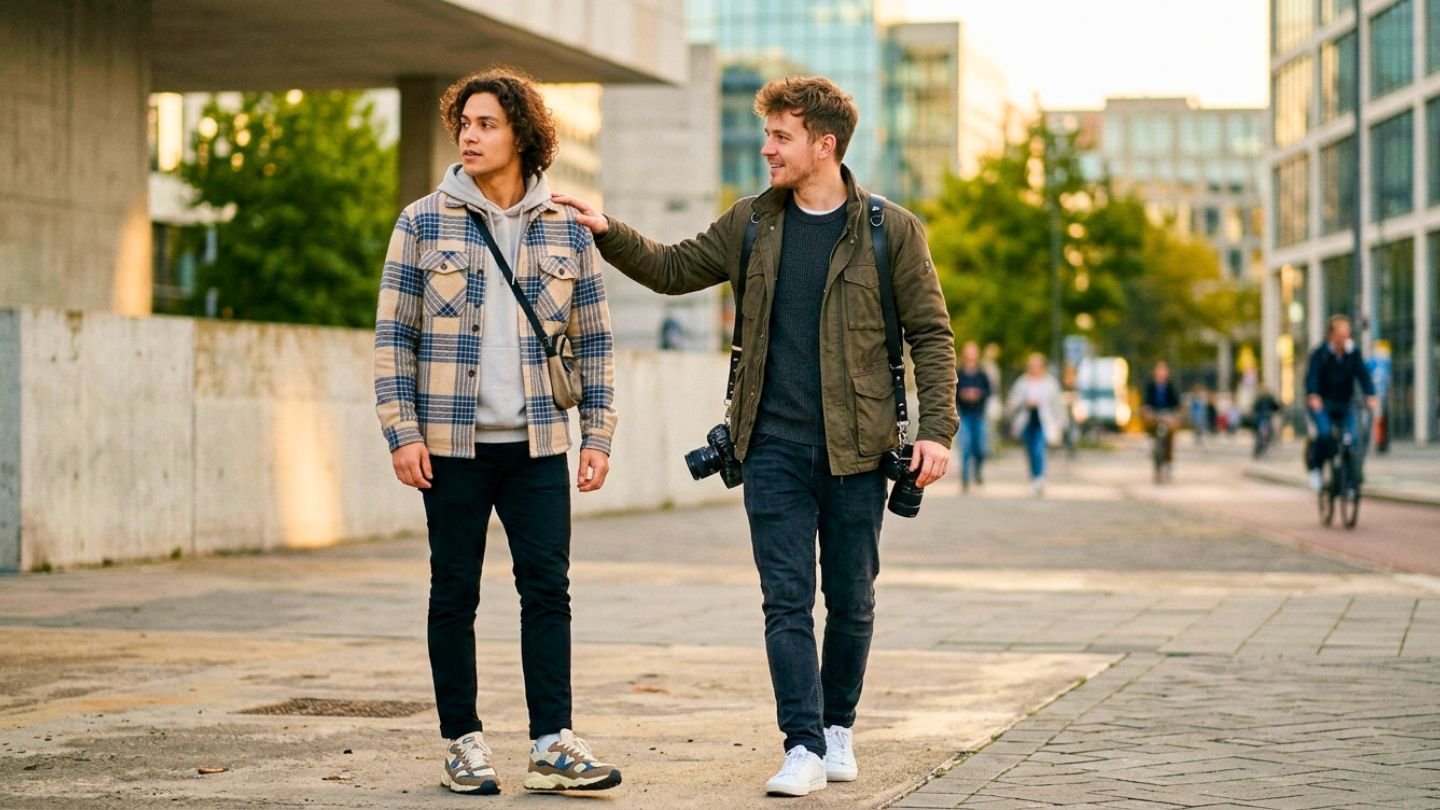
The background should strengthen your professional image without competing with it. A plain studio background can look polished and timeless. An office, outdoor location, or environmental background can add personality and context. The right choice depends on where the image will be used and what you want it to say.
For LinkedIn and corporate directories, clean neutral backgrounds are often versatile. For entrepreneurs, creatives, and personal brands, an environmental setting may help tell more of your story. Read our guide to choosing the best background for professional headshots before deciding on a studio or location.
Arrive Early Enough to Settle In
Rushing into a photo session can make it harder to appear relaxed. Give yourself enough time to park, check your clothing, drink water, use the restroom, and mentally settle before the first image. Arrive with your wardrobe organized and on hangers if possible.
Bring a lint roller, hairbrush or comb, lip balm, blotting papers, makeup for touch-ups, and any accessories you plan to wear. Do not schedule a stressful appointment immediately before your session if you can avoid it. A little breathing room makes it much easier to look calm and present.
Communicate Your Concerns Before the Session Starts
You do not need to be naturally comfortable in front of a camera. You just need to be honest about what makes you uneasy.
Tell the photographer if you are concerned about:
- Looking stiff
- Smiling with teeth
- Glasses glare
- A preferred side or angle
- A specific feature you do not want over-emphasized
- How formal or casual the final image should feel
Clear communication helps the photographer tailor the session to you. It also prevents you from silently worrying about an issue throughout the shoot. If you need a business-focused image, our business headshot preparation guide can help you plan the session around your professional use case.
Avoid These Common Professional Headshot Mistakes
The goal is not to avoid every imperfection. It is to avoid the small habits that make an image feel less like you.
| Common mistake | Why it affects the photo |
Better approach |
| Forcing a big smile | Creates tension around the mouth and eyes | Start neutral, then build a genuine expression |
| Raising the shoulders | Makes the neck look shorter and the body tense | Exhale and let the shoulders fall naturally |
| Holding one pose too long | Leads to a rigid, frozen look | Reset and make small movements between frames |
| Wearing unfamiliar clothing | Reduces comfort and confidence | Choose polished clothing that feels authentic |
| Looking too intensely at the lens | Can appear stern or uncomfortable | Keep eye contact calm and connected |
| Over-editing the final image | Makes the photo look unlike you | Request natural, professional retouching |
| Copying someone else’s pose exactly | May not suit your face, body, or brand | Use poses as inspiration, not a strict rule |
| Ignoring the intended use | Can create a mismatch between image and audience | Plan around LinkedIn, company, portfolio, or brand needs |
Choose the Final Headshot That Feels Most Like You
When reviewing your gallery, do not choose only the image where you look the most “perfect.” Choose the image that feels convincing, up to date, and aligned with your professional identity.
Look for a headshot where:
- Your eyes look engaged.
- Your expression feels relaxed.
- Your posture looks confident but not rigid.
- Your clothing supports your face.
- The background is clean and appropriate.
- You can imagine meeting the person in the photo.
It can help to view your finalists as small thumbnails. Most headshots are seen at a small size on LinkedIn, company websites, and profile pages. The right image should still feel clear and inviting when viewed at a small size. If your current photo no longer looks like you, feels outdated, or no longer fits your career direction, it may be time for an update. See how often you should update your headshot for a practical timeline.
Natural Professional Headshot Checklist
Before your session, make sure you can answer “yes” to these questions:
- Does my outfit fit well and feel comfortable?
- Does my clothing reflect how I normally show up professionally?
- Have I chosen an appropriate background or location?
- Do I know where I will use this headshot?
- Have I allowed enough time to arrive relaxed?
- Do I have grooming and wardrobe touch-up items?
- Have I told my photographer about any concerns?
- Am I willing to move, breathe, and reset rather than hold one pose?
- Do I want a warm, confident, creative, or authoritative expression?
- Does my final selected photo look like me?

Frequently Asked Questions: How to Look Natural in Professional Headshots
1. How do I stop looking awkward in professional headshots?
- Focus on breathing, relaxing your shoulders, and making small movements between photos. You do not need to hold one rigid pose. Let your photographer guide subtle adjustments and avoid trying to force a perfect expression.
2. Should I smile with teeth in a professional headshot?
- It depends on your personality, profession, and intended audience. A genuine smile with teeth often feels warm and approachable, but a softer closed-mouth smile can also look confident and professional.
3. What is the most natural pose for a professional headshot?
- A slight turn of the body, relaxed shoulders, direct yet soft eye contact, and a slight forward movement of the face usually create a natural, professional headshot. The exact pose should suit your face and body rather than follow a strict formula.
4. Where should I look during a headshot?
- Look into the camera lens unless your photographer gives another direction. Think of the lens as a person you are speaking with, rather than something you need to stare at intensely.
5. How can I relax my face for headshots?
- Relax your jaw, exhale slowly, move your lips lightly, and avoid holding a smile for too long. Positive thoughts or conversations can also lead to a more genuine expression.
6. What should I do with my hands in a headshot?
- For close-cropped headshots, your hands may not be visible. If they are included, keep them loose and natural. Avoid gripping your arms, clenching your fingers, or creating overly deliberate gestures.
7. Can I take a natural professional headshot with my phone?
- Yes, a phone can produce a useful headshot with soft light, a clean background, proper camera positioning, and careful editing. However, a professional photographer offers better lighting control, posing guidance, and consistent results. Read our guide on taking a professional headshot with your phone.
8. What should I wear to look natural in a headshot?
- Wear clean, well-fitting clothing that reflects your normal professional style. Solid colors and simple textures generally work well. Avoid anything too tight, overly busy, or so formal that it makes you feel unlike yourself.
9. Should I practice poses before my headshot session?
- A little practice can help you feel more prepared, but do not memorize one pose. Focus on becoming comfortable with relaxed shoulders, gentle body angles, and natural expressions instead.
Final Thoughts: The Best Headshot Should Still Feel Like You
Looking natural in a professional headshot is not about being perfectly photogenic or knowing every pose in advance. It is about preparation, comfort, communication, and small adjustments that allow your personality to come through.
Wear clothing that makes you feel confident. Choose a background that supports your goals. Breathe, move, and allow your expression to change naturally. Most importantly, work with a photographer who helps you feel at ease rather than expecting you to perform.
The best professional headshot is one that makes people feel they already know a little about you before you meet—and then feels completely true when they do.